
Dr Harsh Shah · Dr. Jivraj Mehta Hospital, Vasna, Ahmedabad
Tapping Book on WhatsApp will likely open the WhatsApp app on your phone.
Piles (haemorrhoids) care in Ahmedabad · bleeding, lumps and itching at the anus
Last updated: 04-Nov-2026
Bright red blood after stool, or a soft lump that comes out at the anus, is most often piles. Piles are swollen cushions of tissue inside the anal canal, and most of them settle with simple measures, a small office procedure or, for the largest, an operation.
Many people put up with piles for years because they feel embarrassed to talk about them. This page sets out what piles are, how they are graded, which treatment suits which grade and what recovery is like, so that you know what to expect before you walk in.
Dr Harsh Shah is a gut surgeon who treats piles at every grade, from advice and tablets to banding and a planned operation.
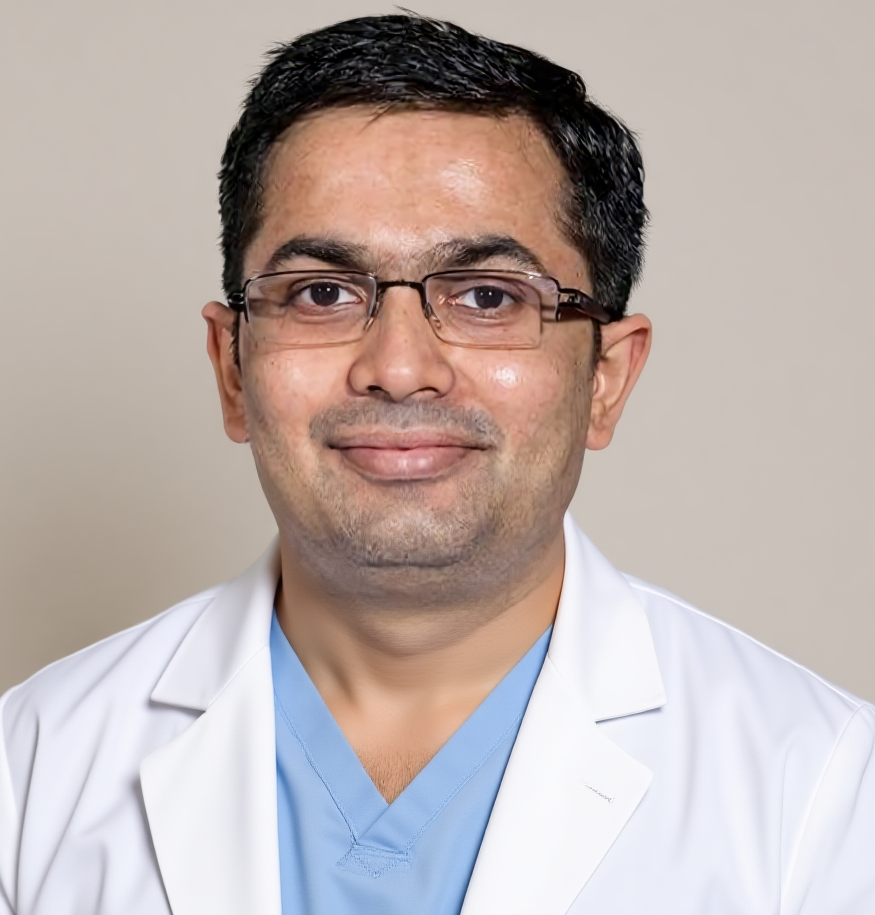
Dr Harsh Shah
MS, MCh (Surgical Gastroenterology), DrNB (Surgical Gastroenterology)
Registered with Gujarat Medical Council, Reg. No. G-38738
Gastro & Cancer Surgeon · Dr. Jivraj Mehta Hospital, Vasna, Ahmedabad
18 years of experience in surgery of the gut and the anal canal. He sees each patient himself, from the first visit to the last review.
The examination for piles takes a few minutes and is done with privacy and with each step explained. You can ask the doctor to stop at any point.
Piles are soft, blood-rich cushions that line the inside of the anal canal. They become a problem when they swell, bleed or slip down.
| Kind | Where it sits | What you notice |
|---|---|---|
| Internal piles | Inside the canal, above the skin line | Bright red blood with stool, a lump that comes out, mucus, a feeling of incomplete emptying. |
| External piles | Under the skin around the anus | A tender lump, itching, and sudden pain if a clot forms inside. |
Both kinds can be present together. Straining, hard stool and long spells on the toilet push the cushions down and stretch their support.
Fresh red blood that drips or coats the stool, without much pain, is the usual sign of internal piles.
Pain with every motion is more typical of a fissure than of piles, and a draining boil points to something else. The next section helps you tell them apart.
Blood with little pain suggests piles. Sharp pain with stool suggests a fissure. A hot throbbing lump suggests an abscess.
| What you notice | Most likely | Next step |
|---|---|---|
| Fresh blood, soft lump that comes out, little pain | Piles | Grading, then the treatment on this page. |
| Tearing pain during and after stool, a streak of blood | Fissure | Stool care, ointment, sometimes a small operation. |
| Hot, throbbing swelling with fever | Abscess | Drainage by a surgeon. |
| A small opening that keeps oozing | Fistula | Examination, often an MRI, then an operation. |
More than one problem can exist together, so the examination matters. You can read about the anal fissure, the perianal abscess and the anal fistula on their own pages.
Most piles come from pressure: hard stool, straining and sitting long on the toilet. Pregnancy and a low-fibre diet add to it.
Piles run in some families, though the habits above matter more than the family history.
Internal piles are graded one to four by how far they come down. The grade guides the treatment.
| Grade | What happens | Usual treatment |
|---|---|---|
| One | Bleeds, but does not come out. | Fibre, water, habit changes, sometimes tablets or banding. |
| Two | Comes out with stool, goes back by itself. | Habit changes, then rubber-band ligation if bleeding persists. |
| Three | Comes out and needs to be pushed back. | Banding in stages, or an operation. |
| Four | Stays out and cannot be pushed back. | Operation. |
A pile that is stuck out and very painful is an emergency. Call the clinic the same day.
The doctor asks about bleeding, bowel habit and diet, then examines the anus and the lower canal. Most people go home with a plan the same day.
Nobody is made to bear a painful examination. If it is too sore, a short anaesthetic is arranged.
For grade one and two piles, habit changes often settle the bleeding within weeks. They also help after any procedure.
Creams and suppositories calm the symptoms for a while. They do not shrink a pile that has come down, so they are not a long-term fix.
A small rubber band is placed at the base of an internal pile in the clinic. The pile loses its blood supply and falls off in a week or so.
Banding keeps you at work and out of hospital. Piles that return after banding can be banded again.
Open haemorrhoidectomy removes the pile under anaesthesia. It is for grade three and four piles, or piles that banding has not controlled.
Dr Harsh Shah does this operation himself. He uses no laser and no stapler, and he explains the choice before you agree.
Banding is gentle and quick but may need repeating. Surgery is bigger but removes large piles for good in one sitting.
| Question | Banding | Operation |
|---|---|---|
| Where | Clinic or day care | Operating room |
| Anaesthetic | None | Spinal or general |
| Back to work | The next day | About one to two weeks |
| Suits | Grades one to three | Grades three and four, and piles with a skin part |
| Chance of repeat treatment | Higher | Lower |
The right choice depends on the grade, your work and your health. The doctor gives his advice, and the decision is yours.
Every procedure carries some risk. Those linked to piles treatment are few, and they are explained in person before you consent.
After banding most people carry on the next day. After surgery the wounds heal over a few weeks, and soft stool is the key.
| When | What to expect |
|---|---|
| First two days | Soreness and some blood on the dressing. Rest and regular tablets. |
| Days three to ten | Pain falls. Sitz baths and a stool softener. Light work resumes. |
| Weeks two to four | Wounds fill in and discharge reduces. |
| Weeks four to six | Complete healing. A review visit confirms it. |
Call the clinic if bleeding is heavy, you cannot pass urine, fever returns or pain climbs again.
Piles come back when the pressure comes back. Soft stool and short toilet visits are the strongest protection.
The plan changes a little with the person. Pregnancy, blood thinners and long-standing constipation are the usual examples.
Bleeding from the rectum has more than one cause. A few signs call for a wider check, not only treatment for piles.
A colonoscopy may then be advised. This is routine care and not a cause for alarm.
The cost depends on the grade, the procedure and the room. An estimate is given in writing before admission.
Many insurance plans cover piles surgery done as day care or with a short stay, and the hospital desk helps with the paperwork. Bring your earlier prescriptions and reports. For questions before you come, call +91-63555-64601.
Cashless at Dr. Jivraj Mehta Hospital
Piles surgery (haemorrhoidectomy, with fissurectomy where needed) is on Dr. Jivraj Mehta Hospital’s PPN package list, so it is cashless if your policy is with one of the four public-sector insurers: New India Assurance, Oriental Insurance, United India Insurance or National Insurance (GIPSA PPN). The hospital’s TPA desk handles the pre-authorisation. Bring your policy card, photo ID and reports. If you are insured elsewhere, insurance is still accepted and the desk applies for cashless approval under your policy.
Piles are swollen, blood-rich cushions in the anal canal. They bleed, itch or slip down, usually after years of straining.
No. Piles are the commonest cause, but other conditions also bleed. An examination, and sometimes a colonoscopy, confirms the cause.
No. Grade one and two piles often settle with fibre, water and banding. Surgery is kept for large or stuck-out piles.
It is done in the clinic or day care, in a few minutes and without an anaesthetic. Most people go back to work the next day.
Light work resumes in one to two weeks. The wounds heal fully over about four to six weeks.
Yes, if hard stool and straining return. Fibre, water and short toilet visits lower the chance.
No. Dr Harsh Shah uses rubber-band ligation and open haemorrhoidectomy, and explains the choice before you agree.
Yes, for policyholders of New India Assurance, Oriental Insurance, United India Insurance and National Insurance, because it is a PPN package operation. The hospital's TPA desk handles pre-authorisation. With other insurers, the desk applies for cashless approval under your policy.
Dr Harsh Shah — Dr. Jivraj Mehta Hospital, Vasna, Ahmedabad
Dr. Jivraj Mehta Hospital, Dr Jivraj Mehta Marg, Vasna, Ahmedabad 380007.
Consultations, review of reports and scans, operations and follow-up. OPD Monday to Saturday, 9 am to 5 pm.
Appointments: +91-63555-64601 · +91-63590-11009 · Hospital 079-2663 6363
Directions to the hospital · WhatsApp +91-63555-64601
Bleeding after stool, or a lump you cannot ignore? Get it looked at. Bleeding from piles is common, but the same symptom can have other causes, and only an examination can tell them apart. Call +91-63555-64601 · Message on WhatsApp
Tapping Book on WhatsApp will likely open the WhatsApp app on your phone.
Swasth Parivar: every week, practical advice on recovery, diet and warning signs. No advertising. Stop any time.
Your number is used for these updates and for the clinic to reach you. It is never sold or passed on. To stop, reply STOP on WhatsApp.