Dr. Harsh Shah - Leading the Best Esophageal Cancer Treatment in Ahmedabad
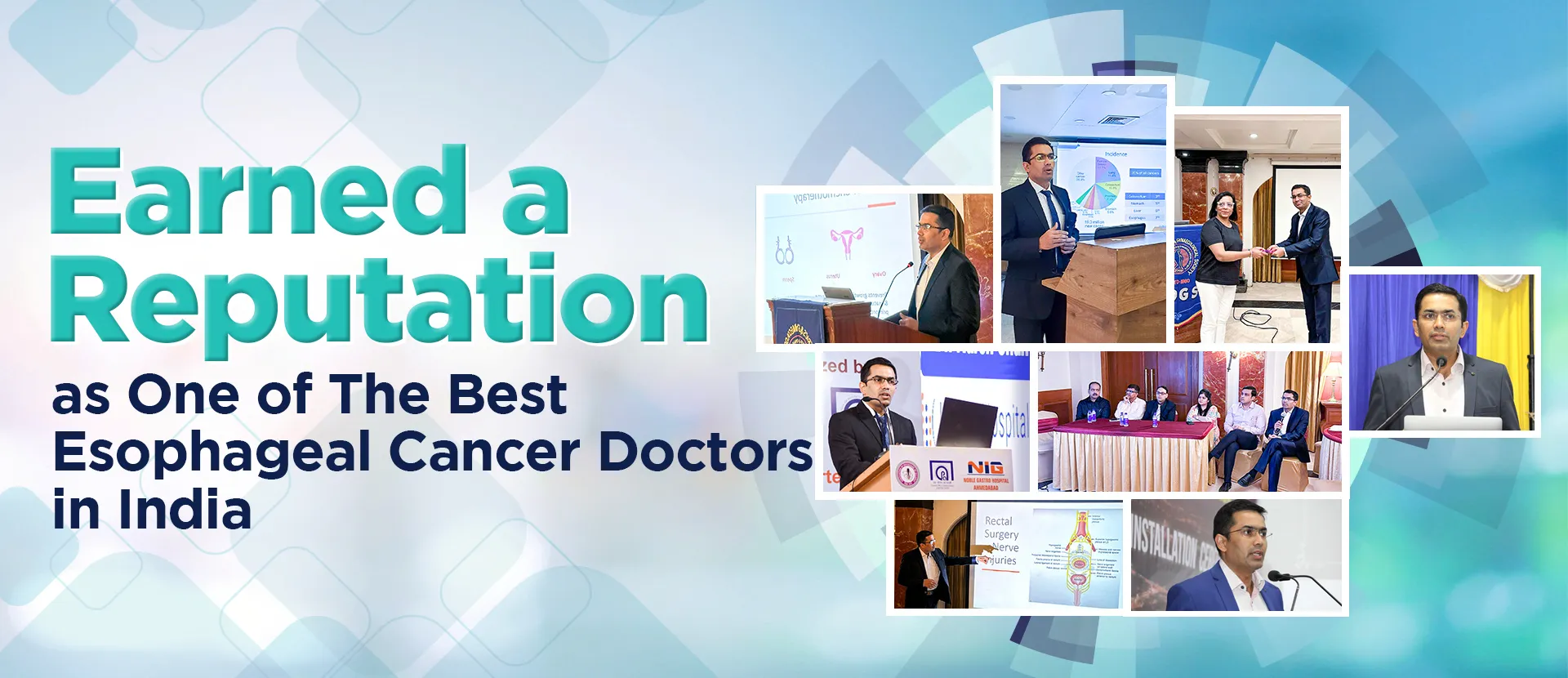
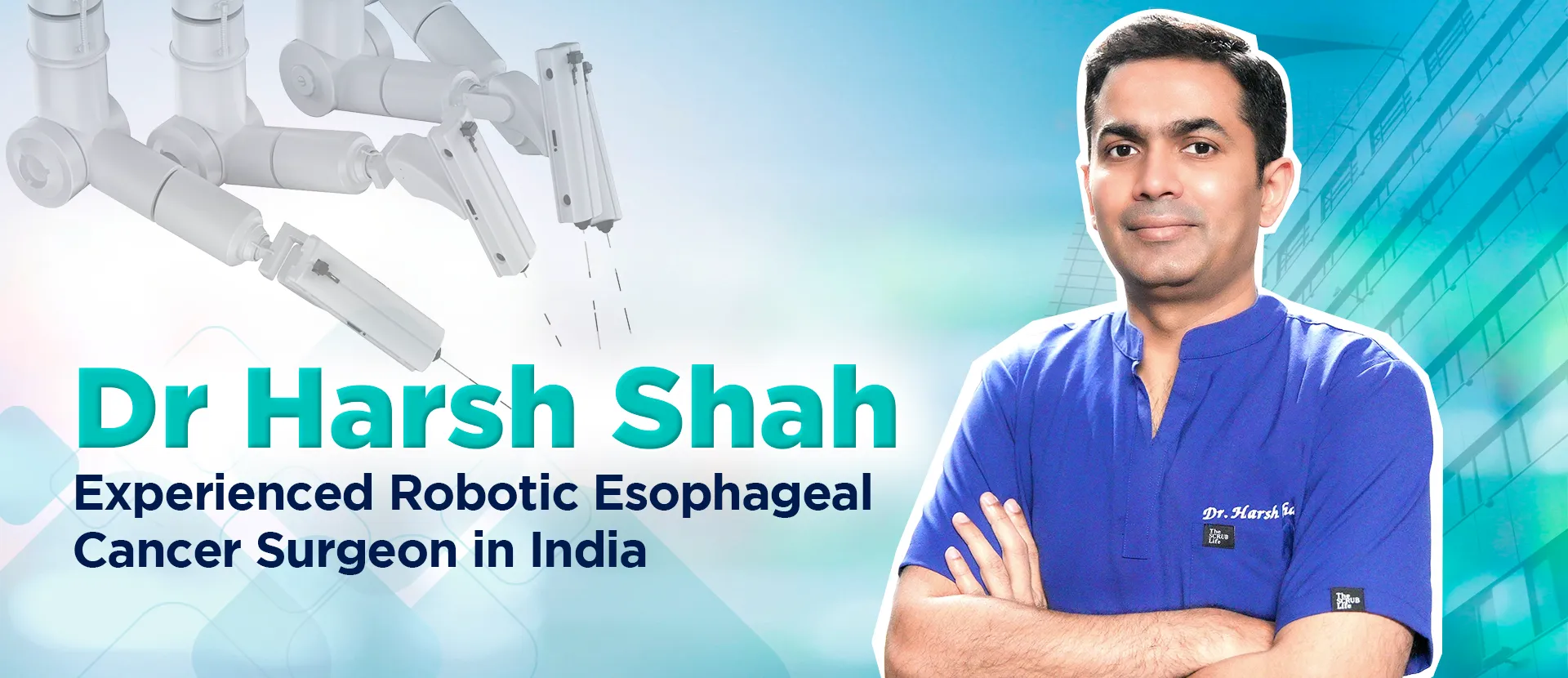
Esophageal cancer can be one of the most challenging diagnoses that a person can receive. However, with an experienced and skilled doctor by your side, you can gain access to the best possible treatment options available. In Ahmedabad, Dr. Harsh Shah is renowned for his expertise in treating esophagus cancer patients. He is leading esophaeal cancer treatment in India, with 16+ years of experience in the field. He has become highly regarded as one of the best esophageal cancer doctors in Ahmedabad.
Dr Harsh Shah, MS, MCh (Surgical Gastroenterology), DrNB (Surgical Gastroenterology), performs oesophagectomy for oesophageal cancer at Apollo Hospital, Bhat, Gandhinagar. Consultations: Shah’s Gastro, Cancer & Robotic Surgery Centre, Gota, Ahmedabad.
Esophageal cancer can be one of the most challenging diagnoses that a person can receive. However, with an experienced and skilled doctor by your side, you can gain access to the best possible treatment options available. In Ahmedabad, Dr. Harsh Shah is renowned for his expertise in treating esophagus cancer patients. He is leading oesophagus cancer hospital in India, with 16+ years of experience in the field. He has become highly regarded as one of the best esophageal cancer doctors in Ahmedabad.
Dr Harsh Shah is one of the leading esophagus cancer specialist doctors in India. He has 16+ years of experience & treated hundreds of patients with food pipe cancers.
The management of esophageal cancer involves prompt diagnosis & early treatment. Esophagus cancer is diagnosed on Endoscopy & CT Scan. Staging is performed with PET-CT Scan. The treatment involves Chemoradiotherapy followed by Surgery to remove food-pipe in most of the cases.
Dr Harsh Shah, MS, MCh (Surgical Gastroenterology), DrNB (Surgical Gastroenterology), performs surgery for oesophageal cancer at Apollo Hospital, Bhat, Gandhinagar.
Bring your reports. Second opinions are welcome. Ask us anything. Call first if you wish.
Who performs oesophageal cancer surgery in Ahmedabad?
Dr Harsh Shah, MS, MCh (Surgical Gastroenterology), DrNB (Surgical Gastroenterology), performs oesophageal cancer surgery at Apollo Hospital, Bhat, Gandhinagar. Consultations are at Shah’s Gastro, Cancer & Robotic Surgery Centre, Gota, Ahmedabad.
What is an oesophagectomy?
An oesophagectomy removes the diseased part of the food pipe with its lymph nodes, then rebuilds the swallowing passage, usually by pulling the stomach up into the chest or neck.
Can oesophageal cancer surgery be done laparoscopically or robotically? Yes. Minimally invasive and robotic oesophagectomy are offered in selected patients, and usually mean less chest wall trauma, fewer lung complications and an earlier return to eating.
What does oesophageal cancer surgery cost in India?
Oesophagectomy at Apollo Hospital, Bhat, Gandhinagar ranges from ₹6,00,000 to ₹7,00,000 depending on whether the approach is open, minimally invasive or robotic.
Is chemotherapy or radiotherapy given before oesophageal cancer surgery?
Usually yes. Most locally advanced oesophageal cancers receive chemoradiotherapy or chemotherapy first, and surgery follows about six to ten weeks later once the tumour has responded.
How is oesophageal cancer diagnosed?
An upper GI endoscopy with biopsy confirms the diagnosis. A CT scan of the chest and abdomen and a PET-CT then decide the stage and whether surgery or chemoradiotherapy comes first.
Why do people trust Dr. Harsh Shah's esophageal cancer hospital?
11750+ Patients
11750+ Patients have been successfully treated
15+ Years
with 16+ years of work experience as a liver cancer specialist
22+ Awards
22+ Awards received by Dr. Shah for his achievements
Expertise
+ Techniques
+ A pioneer
Expertise
Dr. Harsh Shah, a surgeon at the leading esophageal cancer hospital in India, his vast experience includes successfully treating hundreds of patients with carcinoma of the esophagus. Recognized as the best doctor for esophageal cancer, Dr. Shah’s proficiency extends beyond conventional practices. His commitment to excellence positions him as a trusted authority in the nuanced management of esophageal cancer at the best esophagus cancer hospital in India.
Dr. Harsh Shah, having completed his medical education at Maulana Azad Medical College and GB Pant Hospital in Delhi, possesses extensive knowledge in esophageal cancer through dedicated research and clinical practice. Committed to staying abreast of the latest advancements in medicine, he ensures that his patients receive cutting-edge treatments at the forefront of medical innovation.
+ Techniques
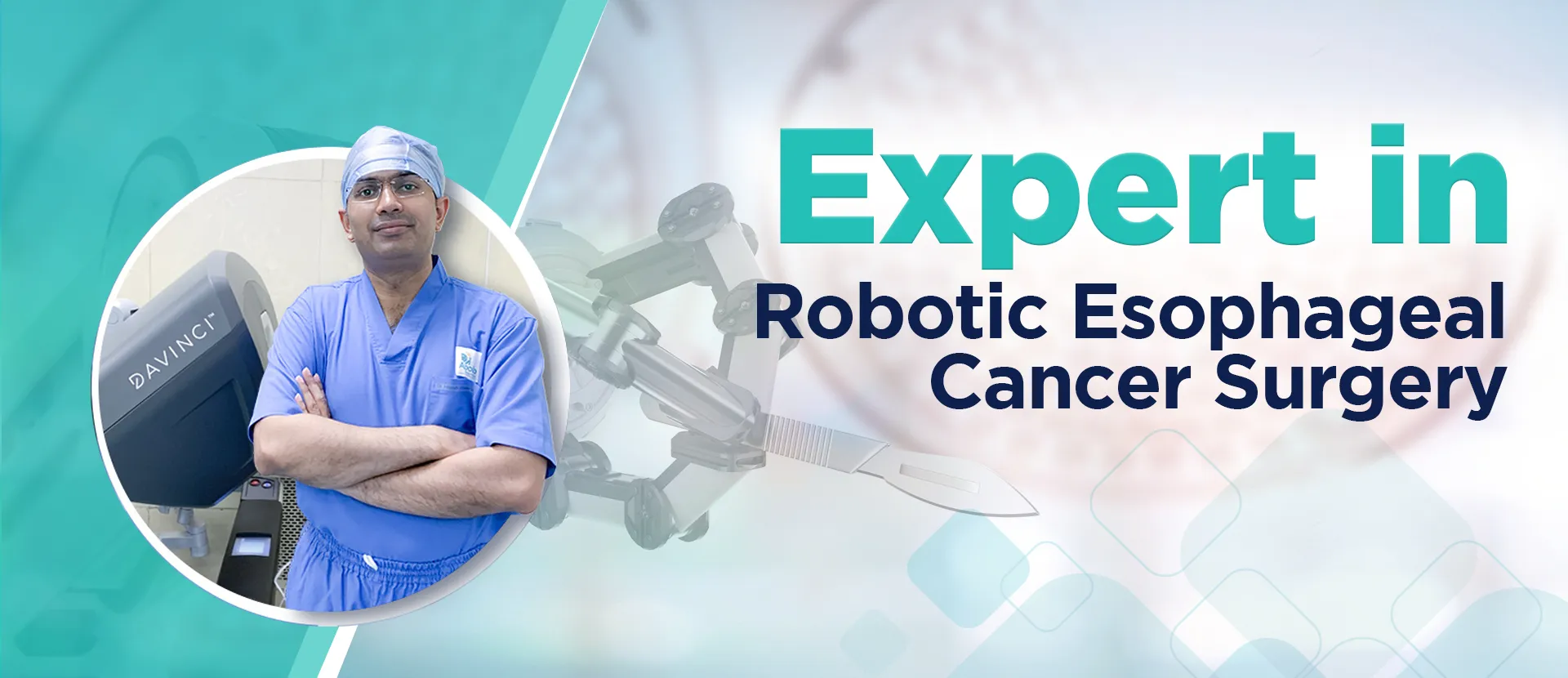
In the realm of esophageal cancer treatment, Dr. Harsh Shah employs cutting-edge techniques, including robotic surgery, to enhance patient outcomes. With a focus on the latest advancements, he ensures a high esophageal cancer treatment success rate and esophageal cancer surgery success rate.
Patients under Dr. Shah’s care benefit from innovative approaches, fostering a positive outlook on life after esophageal cancer treatment.
Dr. Harsh Shah applies advanced robotic surgery techniques for esophageal cancer treatment in India, ensuring high esophageal cancer surgery success rate and comprehensive care for all stages of esophageal cancer treatment, including stage 1 and stage 4 esophageal cancer symptoms. His approach includes addressing gastroesophageal cancer symptoms and treating dysphagia effectively. By focusing on cutting-edge procedures, he keeps the esophageal cancer surgery recovery time minimal, improving life after esophageal cancer treatment outcomes.
+ A pioneer
Dr. Harsh Shah stands as a pioneer in esophageal cancer treatment, revolutionizing treatment approaches in India. Acknowledged as the best esophagus cancer hospital in the country, his institution is synonymous with excellence. As the best doctor for esophageal cancer, Dr. Shah introduces new treatments, setting the stage for improved outcomes in esophageal cancer treatment.
His leadership extends to the forefront of robotic surgery for esophageal cancer, marking a paradigm shift in the way the disease is approached. Dr. Shah’s commitment to pioneering advancements in esophageal cancer treatment cements his status as a leading esophageal cancer specialist, providing hope and healing to patients under his care.
As a leading expert in India, Dr. Shah has revolutionized the treatment of food pipe cancer, including conditions like carcinoma of the esophagus. With a focus on advanced esophageal cancer treatments, he offers solutions that make cancer of the esophagus treatable and provides hope for a complete esophageal cancer cure. His center, known as the best for esophageal cancer treatment in India, also addresses esophageal cancer symptoms, ensuring early intervention. His expertise extends to managing esophagus cancer causes and utilizing the latest new treatment for esophageal cancer.
Know about Food-pipe (Esophageal) Cancer
Types
+ Locations
+ Symptoms
+ Treatment
Types
There are two types of esophagus cancer:
Squamous Cell Carcinoma: This type of esophageal cancer develops in the cells lining the esophagus.
Adenocarcinoma: Adenocarcinoma of the esophagus arises from the glandular cells in the lower part of the esophagus.
+ Locations
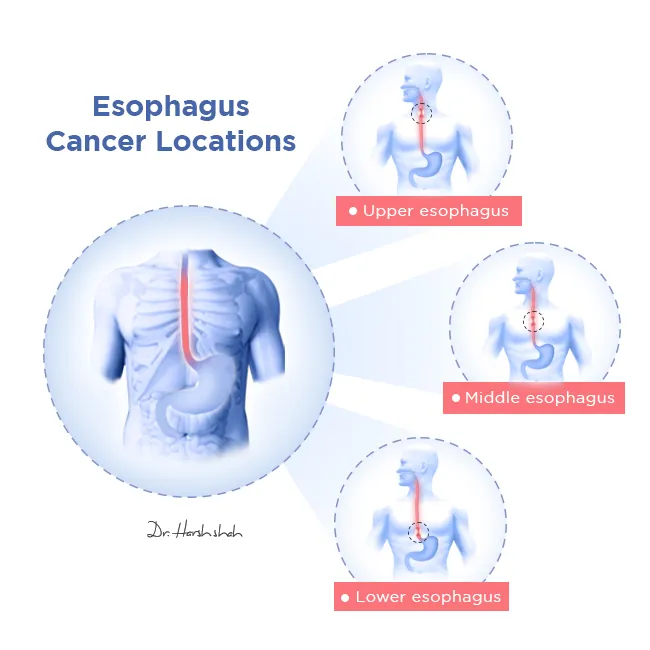
Esophageal cancer can occur in different locations, including:
Upper Esophagus: Esophageal cancer can develop in the upper part of the esophagus, near the throat. This area is also known as the cervical esophagus.
Middle Esophagus: The middle part of the esophagus is a common site for esophageal cancer, located between the upper and lower portions.
Lower Esophagus: Esophageal cancer can occur in the lower part of the esophagus, near the junction where the esophagus meets the stomach. This region is referred to as the gastroesophageal junction.
+ Symptoms
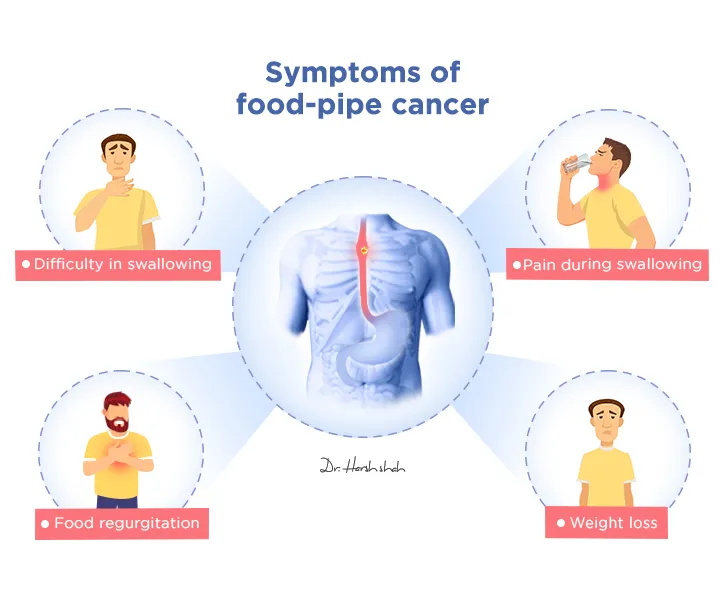
There are various symptoms of esophageal cancer, including:
Difficulty Swallowing (Dysphagia): Trouble swallowing is a common symptom of esophageal cancer.
Unintentional Weight Loss: Losing weight without intending to can be a sign of esophageal cancer.
Persistent or Worsening Heartburn or Acid Reflux: Long-lasting or worsening heartburn and acid reflux may indicate esophageal issues.
Chest Pain or Discomfort: Feeling pain or discomfort in the chest can be a symptom of esophageal cancer.
Chronic Cough or Hoarseness: A persistent cough or hoarseness may be associated with esophageal cancer.
Frequent Choking on Food: Having difficulty with food getting stuck or frequent choking can be a symptom.
Painful or Uncomfortable Swallowing (Odynophagia): Experiencing pain or discomfort while swallowing is a potential symptom.
Chronic Indigestion or Stomach Discomfort: Long-lasting indigestion or persistent stomach discomfort can be a sign.
Regurgitation of Food or Sour Liquid: Bringing back food or sour liquid may indicate issues with the esophagus.
Fatigue or Weakness: Feeling consistently tired or weak can be associated with esophageal cancer.
+ Treatment
There are three major treatments for food-pipe cancer include:
Surgery: Surgical removal of the cancerous tissue is a common treatment approach. This may involve removing a portion of the esophagus (subtotal esophagectomy) or, in more advanced cases, removing the entire esophagus (total esophagectomy).
Radiation Therapy: High-energy X-rays or other types of radiation are used to kill cancer cells and shrink tumors. Radiation therapy may be used before surgery to shrink tumors, after surgery to kill remaining cancer cells, or as the primary treatment in certain cases.
Chemotherapy: Anti-cancer drugs are administered to destroy cancer cells. Chemotherapy can be used as a standalone treatment or in combination with other treatments, such as surgery or radiation therapy.
What is Esophageal cancer and Treatment options for It? In Gujarati
Robot-Assisted Esophagectomy for Carcinoma Esophagus
Robot-Assisted Esophagectomy for Carcinoma Esophagus
Case Reports
Our Happy Patients
My patient underwent a cancer operation. We were very apprehensive at first. But now after 15 days of treatment we are very happy. He is one of the best Gastro Oncosurgeon in Ahmedabad.
Shilesh JadavGoogle Maps
Wonderful experience with Dr harsh shah.He is best Robotic surgeon in Ahmedabad. The services that I recieve from Dr harsh sir is excellent .It's rare to find a doctor that combines such personal touches and care for patient. Thank you so much sir.we are very happy.
Nitul KothariGoogle Maps
Very professional and polite handling of patients along with their family members.. clearing of each and every doubt any minute of the day… Highly skilled in bringing the patient back on feet in just a couple of days
Alisha TobwalaGoogle Maps
My patient underwent a cancer operation. We were very apprehensive at first. But now after 15 days of treatment we are very happy. He is one of the best Gastro Oncosurgeon in Ahmedabad.
Shilesh JadavGoogle Maps
Wonderful experience with Dr harsh shah.He is best Robotic surgeon in Ahmedabad. The services that I recieve from Dr harsh sir is excellent .It's rare to find a doctor that combines such personal touches and care for patient. Thank you so much sir.we are very happy.
Nitul KothariGoogle Maps
Very professional and polite handling of patients along with their family members.. clearing of each and every doubt any minute of the day… Highly skilled in bringing the patient back on feet in just a couple of days
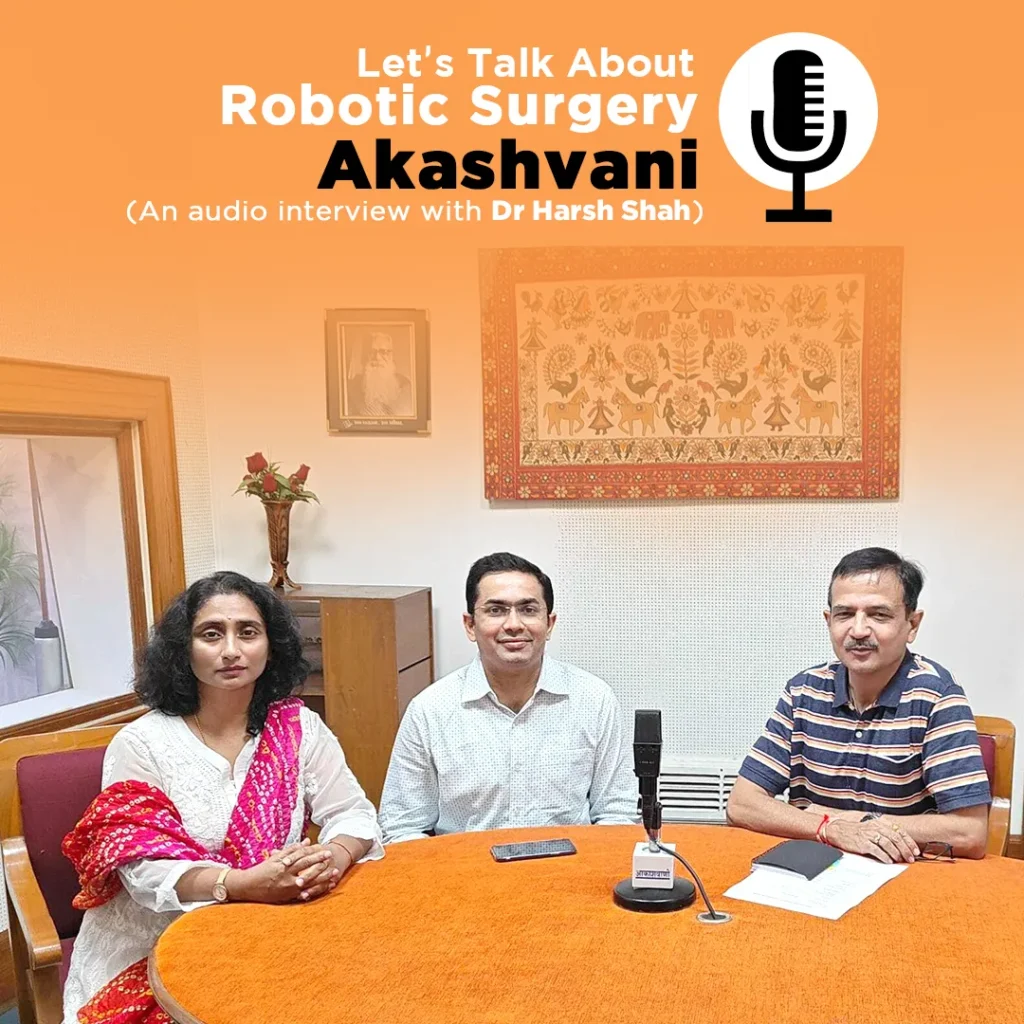
Dr Harsh Shah on Akashvani Topic - Robotic Surgery
Tap Below to Listen
Dr Harsh Shah on Akashvani Topic - Robotic Surgery
Tap Below to Listen
Why choose Dr. Harsh Shah's esophageal cancer hospital?
Team of experts
+ Infrastructure
+ Knowledge & Trust
Team of experts
Dr. Harsh Shah leads a highly skilled and compassionate team of experts at the forefront of esophageal cancer treatment in India, including medical oncologists, radiation oncologists, and interventional radiologists. With a collective focus on providing the best treatment for carcinoma of the esophagus, the team’s expertise encompasses innovative approaches such as robotic surgery for esophageal cancer.
The best esophagus cancer hospital in India, under Dr. Shah’s guidance, ensures a comprehensive and patient-centric approach to esophageal cancer treatment, enhancing the esophagus transplant success rate and esophageal cancer surgery success rate. Patients benefit from the collaborative efforts of the team, emphasizing proper diagnosis and early intervention, making them confident in their journey to recovery in Dr. Shah’s esophageal cancer treatment center.
Dr. Shah’s dedicated team of esophageal cancer oncologists, including medical, surgical, and radiation specialists, ensures top level of care for esophagus cancer treatment in India. The team manages conditions from esophageal cancer stage 1 symptoms to more advanced cases, optimizing the esophagus cancer surgery success rate. Their expertise includes handling food pipe cancer symptoms and offering personalized support for patients showing signs of dying from esophageal cancer, ensuring the best outcomes possible in esophageal cancer treatment.
+ Infrastructure
In the Dr. Harsh Shah’s Esophageal cancer hospital, The operation theatre is equipped with latest robotic system, HD laparoscopy system, Laser system, Laminar flow – Hepafilter & many more such technologies.
The Hospital also has 50+ bedded ICU with the latest support systems such as ventilators, dialysis machines & a team of best critical care doctors.
Radilogy department is fully equipped with latest CT Scan & MRI machines. The hospital also has an interventional radiology suit.
+ Knowledge & Trust
With with 16+ years of experience, Dr. Harsh Shah’s knowledge and expertise form the bedrock of trust for patients seeking esophageal cancer treatment. Recognized as the best doctor for esophageal cancer treatment, his leadership ensures that the institution adheres to the highest standards. The team, including the esophageal cancer specialist and surgeons, upholds a patient-friendly approach, defining the new treatment landscape for esophageal cancer at Dr. Shah’s esophageal cancer treatment hospital.
Dr. Shah’s commitment to life after esophageal cancer surgery involves not just medical care but also providing support and information, fostering a sense of trust and assurance in the journey towards recovery in esophageal cancer treatment.
With with 16+ years of experience, Dr. Shah is recognized as the best oncologist in Ahmedabad and best oncologist in Gujarat, offering comprehensive care that addresses esophagus cancer treatment costs in India. As a trusted oncologist doctor in Ahmedabad, he prioritizes patient care by explaining esophageal cancer definitions and treatment pathways clearly. The center’s success in esophagectomy surgery cost in India and other esophageal cancer treatment options makes it a leading choice for those with esophagus cancer stage 1 symptoms. Dr. Shah’s commitment ensures not only a cure for esophageal cancer but also a strong foundation of trust in patients’ journeys toward recovery in esophageal cancer treatment.
Surgical Photographs
Explore surgical photographs with caution. Please be advised that viewer discretion is recommended.
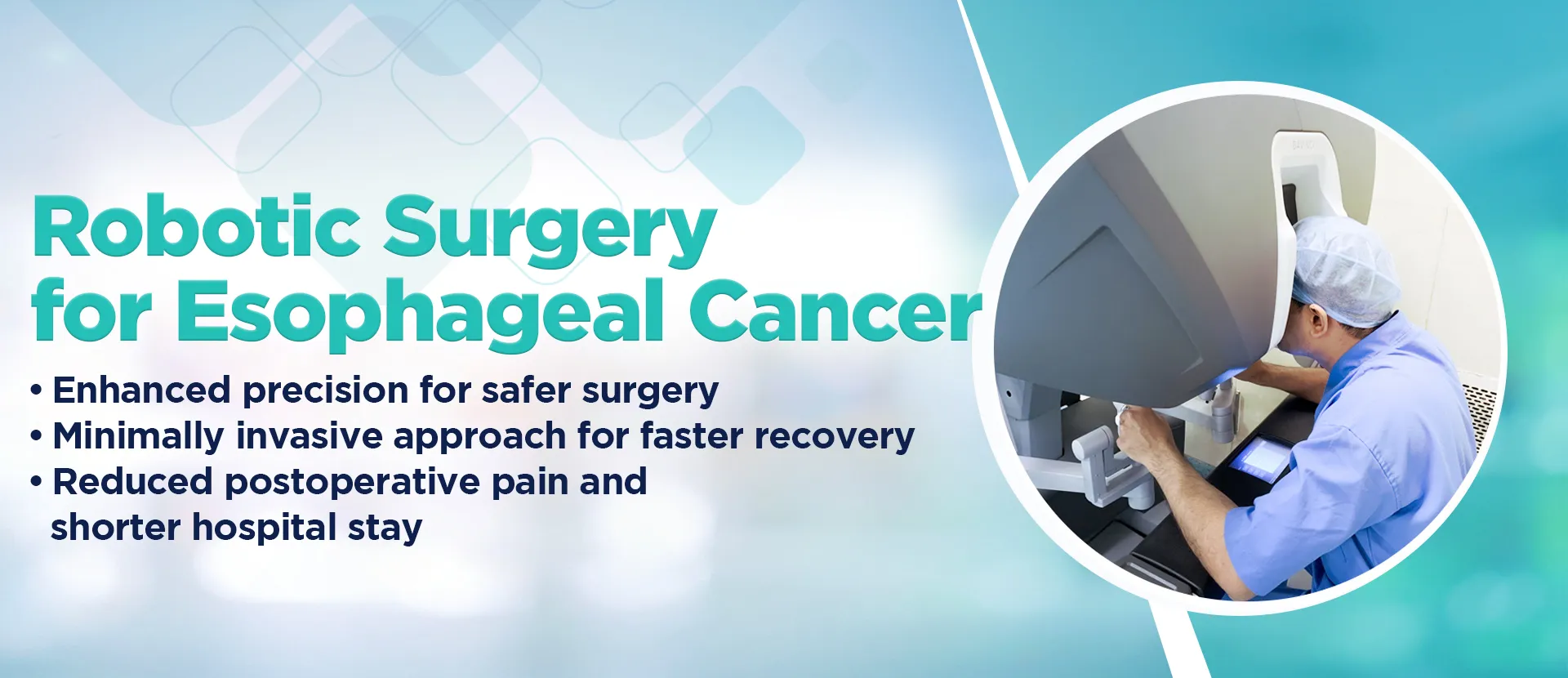
Robotic surgery for esophageal cancer offers several benefits compared to traditional surgical methods. Here are some advantages:
Precision & Accuracy
Less Invasive
Improved Visualization
Quicker Recovery
Reduced Blood Loss
Decreased Risk of Infections
Precision & Accuracy
Robotic systems provide surgeons with enhanced precision and control during procedures. This allows for more accurate removal of cancerous tissues while minimizing damage to healthy surrounding structures.
Less Invasive
Robotic surgery is often less invasive than traditional open surgery. Smaller incisions are made, reducing trauma to the body. This can result in less pain, quicker recovery times, and shorter hospital stays for patients.
Improved Visualization
The robotic system provides high-definition, 3D visualization of the surgical site. This enhanced view allows surgeons to navigate through complex anatomical structures more easily, improving the overall accuracy of the procedure.
Quicker Recovery
Patients undergoing robotic surgery for esophageal cancer may experience a faster recovery compared to traditional surgery. The reduced trauma to tissues and smaller incisions contribute to a quicker return to normal activities.
Reduced Blood Loss
The precision of robotic surgical instruments often leads to reduced blood loss during the procedure. This can be particularly beneficial for patients who may have concerns about blood transfusions or related complications.
Decreased Risk of Infections
Smaller incisions in robotic surgery mean a lower risk of postoperative infections. The reduced exposure of internal organs to external contaminants contributes to a lower likelihood of infections during the recovery period.
Latest technologies to treat Esophageal cancer
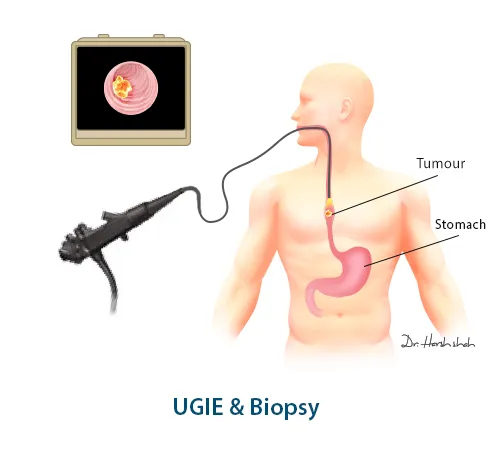
UGIE & Biopsy:
UGIE stands for Upper Gastrointestinal Endoscopy, a procedure used to see and examine the upper digestive tract, including the esophagus, stomach, and duodenum. In UGIE, a flexible tube with a camera (endoscope) is inserted through the mouth to get detailed images and diagnose conditions such as ulcers, tumors, or inflammation. Biopsy, which is often part of UGIE, involves collecting tissue samples for further examination and testing.
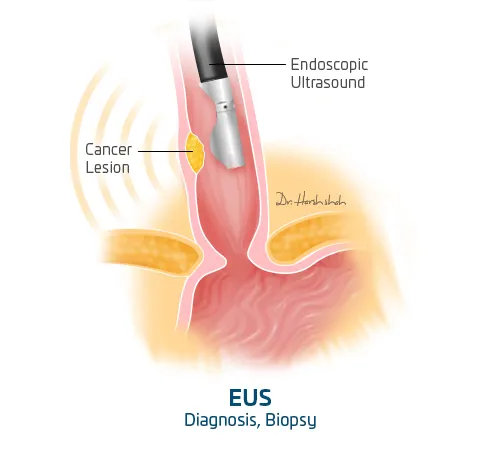
EUS (Diagnosis, Biopsy):
EUS stands for Endoscopic Ultrasound, a minimally invasive procedure that combines endoscopy and ultrasound to visualize and diagnose conditions in the gastrointestinal tract. EUS offers high-resolution images and allows physicians to examine the walls of the digestive tract and nearby organs. It is particularly useful for evaluating tumors, staging cancer, and assessing the depth of invasion. EUS can also be used to perform biopsies by collecting tissue samples for analysis and diagnosis.
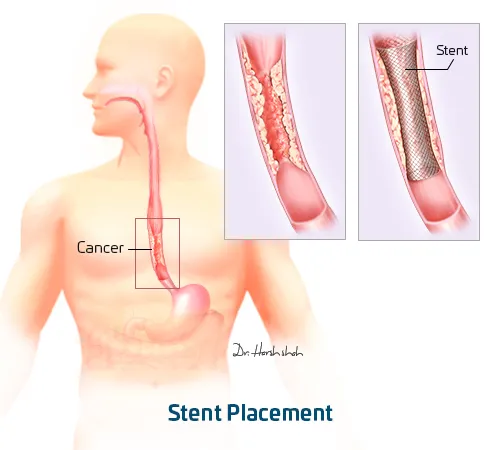
Stent placement:
Stent placement is a procedure where a small, expandable tube (stent) is inserted into a narrowed or blocked passage in the body. In the gastrointestinal tract, stents are often used to open up narrow areas like the esophagus, bile ducts, or colon. The stent acts as a scaffold, keeping the passage open and allowing for the normal flow of fluids or substances. This procedure can bring relief from symptoms, restore proper function, and alleviate complications caused by obstructions or strictures in the gastrointestinal system.
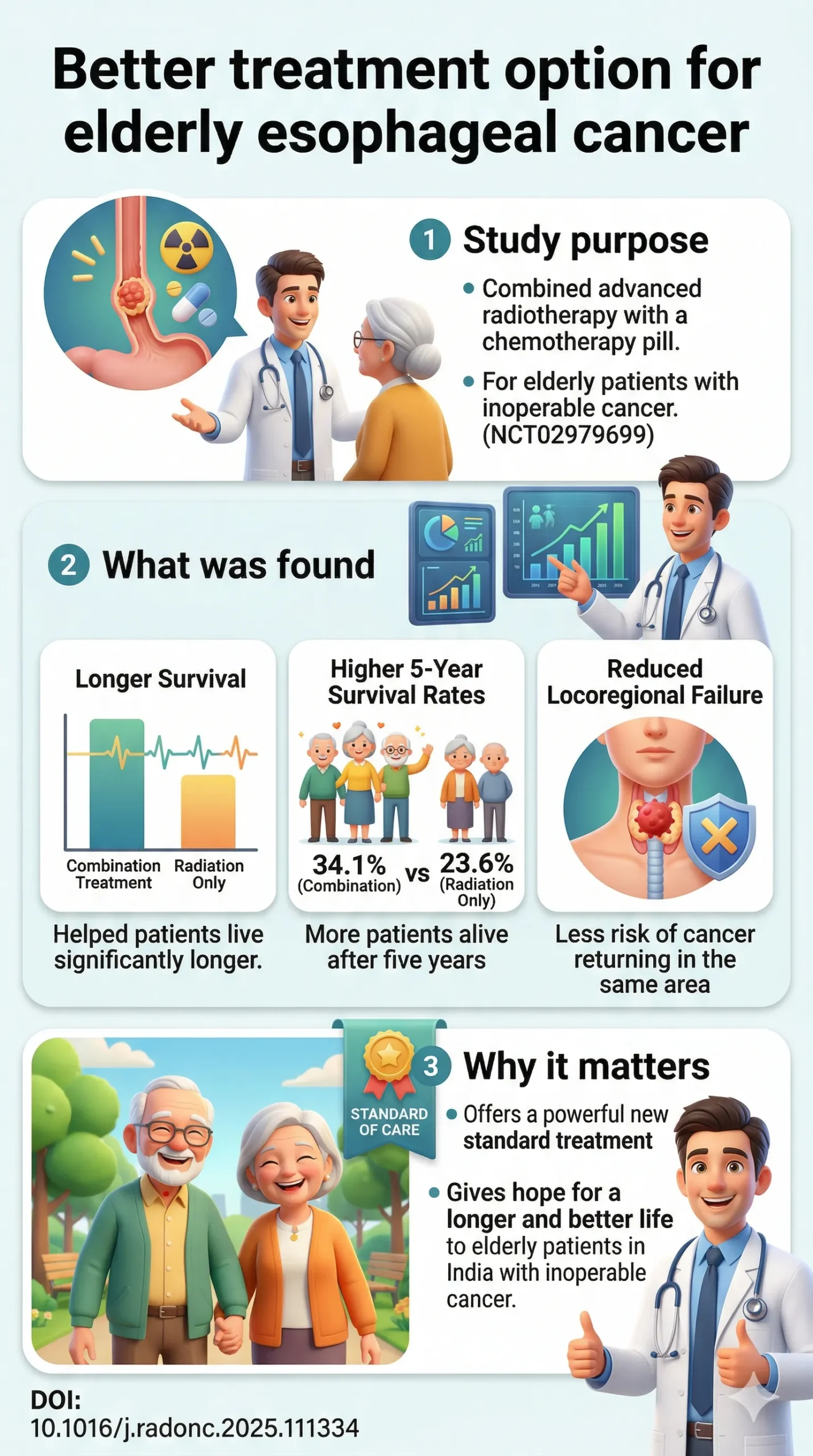
New Treatment Option for Elderly Patients with Esophageal Cancer You are here >> Home > Latest Updates > Esophagus Cancer >New Treatment… Esophageal cancer can
Could a Common Probiotic Help Lower Esophageal Cancer Risk? You are here >> Home > Latest Updates > Esophagus Cancer >Could a Common… Esophageal cancer
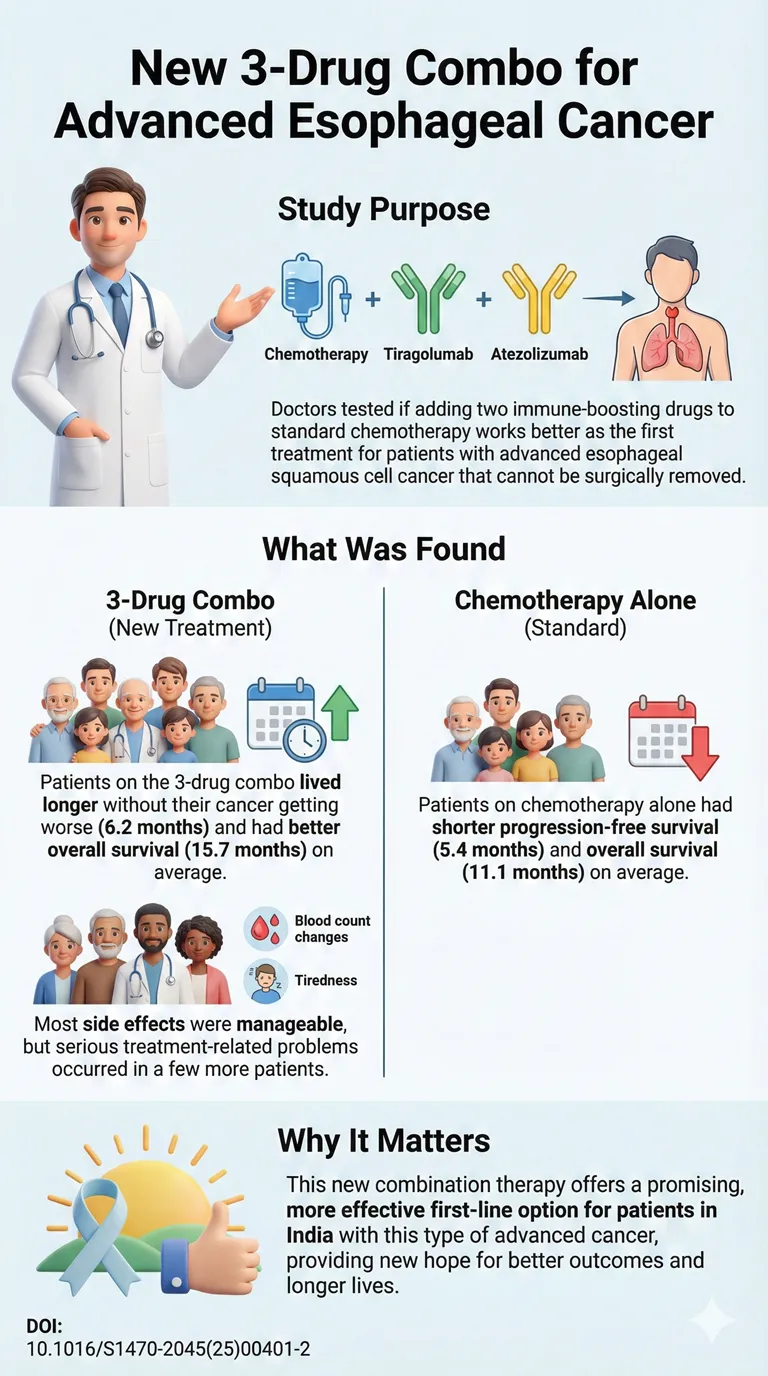
New Drug Combination Offers Hope for People With Advanced Esophageal Cancer You are here >> Home > Latest Updates > Esophagus Cancer Updates > New Drug…
Is cashless treatment available for esophageal cancer?
Yes, patients undergoing treatment for esophageal cancer can avail of cashless facilities, simplifying the process. For more details, visit our Insurance Page.
What are the latest treatment options for esophageal cancer in India?
The latest treatments involve a multidisciplinary approach, including Robotic Esophagectomy, advanced chemotherapy, and immunotherapy. Robotic surgery allows for highly precise removal of the cancer with tiny incisions, leading to a much faster and less painful recovery.
Which chemotherapy drugs are used for advanced esophageal cancer?
Advanced food-pipe cancer is often managed with a combination of powerful chemotherapy drugs to help shrink the tumor. Common medications include Cisplatin, 5-FU, Paclitaxel, and Carboplatin, which may be administered before or after surgery.
What immunotherapy treatments for esophageal cancer are available in India?
Immunotherapy helps your body’s own immune system fight food-pipe cancer cells. While advanced drugs can be expensive, many top centers offer cashless insurance options and financial assistance programs to make these life-saving treatments more affordable in India.
What is the estimated cost of esophageal cancer surgery in India?
The total cost of an esophagectomy in India generally ranges from ₹6,00,000 to ₹7,00,000, depending on the hospital and the technology used. Advanced robotic surgeries fall on the higher end of this range but offer significant benefits like shorter hospital stays and quicker recovery.
What types of surgery are done for esophageal cancer?
Surgery is the primary way to remove cancer from the food-pipe. The right procedure depends on the tumor’s stage and location.
Procedure Type
How It Is Done
Main Benefit
Open Esophagectomy
Large incision in chest or abdomen
Standard traditional approach
Laparoscopic Surgery
Several small keyhole incisions
Less pain than open surgery
Robotic Esophagectomy
Robot-assisted tiny incisions
Highest precision, fastest recovery
Which hospitals in India treat esophageal cancer?
Apollo Hospital in Ahmedabad is recognized as a premier destination for complex GI cancer care. Under the expert guidance of Dr. Harsh Shah patients receive world-class, minimally invasive robotic cancer treatments tailored to their specific needs.
What is the recovery process after esophagectomy surgery?
Recovery after removing part of the food-pipe varies significantly by the surgical method used. Patients who undergo minimally invasive Robotic Esophagectomy typically experience less pain, start walking sooner, and return to their normal routines much faster than those having traditional open surgery.
What diet is recommended after esophageal surgery?
After food-pipe surgery, patients must transition slowly from clear liquids to soft, easily digestible foods. Eating smaller, frequent meals (5-6 times a day) and drinking plenty of water between meals is crucial to prevent discomfort and ensure proper healing.
How do you choose an esophageal cancer surgeon?
Look for a highly experienced specialist focused strictly on GI (Gastrointestinal) oncology rather than a general surgeon. Ensure they have a proven track record of successful cancer operations and extensive expertise in advanced robotic surgical techniques.
What does an esophagectomy cost in India?
An esophagectomy procedure typically costs between ₹6,00,000 and ₹7,00,000 across major Indian hospitals. Opting for a highly precise robotic esophagectomy usually sits at the upper end of this spectrum but significantly minimizes post-operative complications and hospital stay duration.
What questions should you ask an esophageal cancer surgeon?
When consulting a surgeon for food-pipe cancer, asking the right questions ensures you are in safe, capable hands.
Question to Ask
Why It Matters
How many robotic esophagectomies have you done?
Verifies specialized, modern surgical experience.
What is my exact cancer stage?
Determines if you need chemo before surgery.
How soon can I go home and eat normally?
Sets clear expectations for your recovery timeline.
How do I choose an oesophageal cancer surgeon in India?
Look for formal training in surgical gastroenterology or surgical oncology, a regular upper GI operating list, and experience with two-field or three-field lymph node dissection and with rebuilding the swallowing passage. Dr Harsh Shah, MS, MCh (Surgical Gastroenterology), DrNB (Surgical Gastroenterology), is a GI cancer surgeon in Ahmedabad and operates at Apollo Hospital, Bhat, Gandhinagar.
Which hospital in Gujarat performs robotic oesophageal cancer surgery?
Robotic and minimally invasive oesophagectomy in Gujarat is performed at Apollo Hospital, Bhat, Gandhinagar, where Dr Harsh Shah operates. The approach is chosen after the CT and PET-CT, based on tumour level and how the disease responded to chemoradiotherapy.
Can I get a second opinion on oesophageal cancer treatment in Ahmedabad?
Yes. Bring the endoscopy report, the biopsy histopathology, the CT scan of the chest and abdomen and the PET-CT if one has been done. A second surgical opinion at Shah’s Gastro, Cancer & Robotic Surgery Centre, Gota, Ahmedabad, confirms the stage and whether chemoradiotherapy should come before surgery.
How long does recovery take after an oesophagectomy?
Most patients spend two to three days in intensive care and eight to twelve days in hospital. Liquids restart once a contrast study confirms the join has healed, and normal energy usually returns over two to three months.
How is oesophageal cancer surgery different from stomach cancer surgery?
An oesophagectomy enters the chest as well as the abdomen and rebuilds the swallowing passage, so recovery is longer and lung care matters more. A gastrectomy stays within the abdomen. The two operations carry different risks and are planned differently.
भोजन नली के कैंसर की सर्जरी अहमदाबाद में कौन करता है?
Dr Harsh Shah, MS, MCh (Surgical Gastroenterology), DrNB (Surgical Gastroenterology), अहमदाबाद में भोजन नली (इसोफेगस) के कैंसर की सर्जरी करते हैं। ऑपरेशन Apollo Hospital, Bhat, Gandhinagar में होता है और परामर्श Shah’s Gastro, Cancer & Robotic Surgery Centre, Gota, Ahmedabad में।