

WhatsApp

Facing Colon Cancer Surgery? Ask These Questions First

Last updated: 12-Nov-2026

Tapping Book on WhatsApp will likely open the WhatsApp app on your phone.

Call For Appointment · Book on WhatsApp

Tapping Book on WhatsApp will likely open the WhatsApp app on your phone.
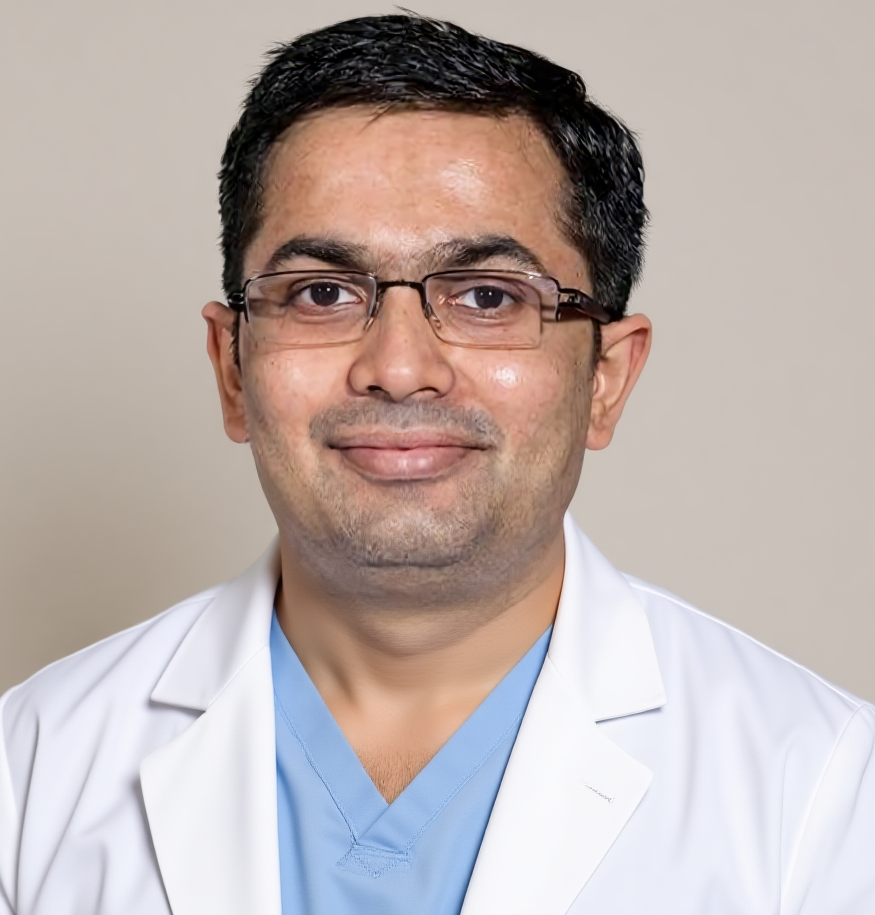
Portrait of Dr Harsh Shah, gastro and cancer surgeon, Ahmedabad

Dr Harsh Shah
MS, MCh (Surgical Gastroenterology), DrNB (Surgical Gastroenterology)
Registered with Gujarat Medical Council, Reg. No. G-38738
Gastro & Cancer Surgeon · Dr. Jivraj Mehta Hospital, Vasna, Ahmedabad

18 years of experience in surgery of the colon, rectum, liver, bile ducts, pancreas and stomach.

In short

Before colon cancer surgery, ask your surgeon six things. What is my stage? Is keyhole or open surgery right for me? What will be removed? Could I need a stoma? What will recovery be like? How is follow-up planned?

Write the questions down and bring a family member. A good surgeon answers in plain words and is glad that you asked.

This page is a checklist for the consultation. The full guide to this cancer and its treatment is in the colon cancer guide by Dr Harsh Shah.

What stage is my cancer, and what do the reports show?

Stage tells you how far the cancer has spread. It decides whether surgery comes first and whether you may need chemotherapy as well.

Ask your surgeon to go through the colonoscopy and biopsy report, and the scan reports, with you. Ask whether the scans show any spread to the liver, the lungs or the lymph glands. A blood test called CEA is often checked before surgery, and it is worth asking what your value means.

Also ask whether the tumour has been tested for features such as mismatch repair status. This test can guide later treatment and can point to a family risk.

Is keyhole or open surgery right for me?

Both can remove a colon cancer safely. The choice depends on the tumour, your earlier operations and your general health, not on a fashion.

Dr Harsh Shah operates laparoscopically (keyhole) or by open surgery, chosen for the person and the cancer. Ask why one is suggested for you. Ask what would make the surgeon change plan during the operation, and what the usual reasons are.

  • Keyhole surgery uses small cuts and often means less pain and a shorter stay.
  • Open surgery uses one longer cut. It gives a direct view, which helps with a large tumour or scars from older operations.

What will the operation actually involve?

The surgeon removes the part of the colon that holds the cancer. The nearby lymph glands come out too. Then the healthy ends are joined.

Ask which part of your colon will be taken out and how much. Ask how the lymph glands will be removed, because the glands tell us the final stage. Ask how long the operation takes and who will be in the team, including the anaesthetist.

Ask how the join will be protected. Ask what is done to check that it is sound.

Will I need a stoma?

Most colon cancer operations do not need one. A stoma is a small opening on the belly. It collects stool in a bag. It is needed only in some situations.

Ask directly: is a stoma likely in my case, and why? It may be needed if the bowel is blocked. It may also be needed if the join looks unsafe. If one is planned, ask if it is temporary and when it can be reversed. Ask who will teach you to care for it. A stoma nurse can meet you before the operation.

Questions for your surgeon and why each one matters
Question to askWhy it matters
What is my stage, and do I need other treatment?Stage decides if chemotherapy is added before or after surgery
Keyhole or open for me, and why?Shows that the choice is made for your tumour, not by habit
How much colon will be removed?Helps you understand bowel habits afterwards
Is a stoma possible, and for how long?Lets you prepare, and plan its reversal if it is temporary
How long will I stay, and when can I return to work?Helps your family plan leave and support
What are the main risks, and what is done if one occurs?Shows that the team is ready for problems, not only for the plan
What will the final pathology report change?The report on the removed specimen can change what comes next
How often will I be seen after surgery?Regular scans and tests catch a return of cancer early

What will recovery look like?

Most people start sips of water and walking within a day or two. The aim is to get you moving early, because this speeds up recovery.

Ask about pain control, when you can eat, and when the drain and urine tube come out. Ask what a normal stay looks like for your type of surgery and what would make it longer. Ask when you can climb stairs, drive and lift. Your surgeon will give a realistic range, not a promise.

What are the risks, and what happens if something goes wrong?

Every operation has risks. A good consultation names the main ones and explains how they are watched for and treated.

  • Leak from the join, which may need a drain, a second procedure or a stoma.
  • Infection of the wound or inside the belly.
  • Bleeding, or a clot in the leg or lung.
  • Slow return of bowel movement, with bloating or vomiting.
  • Rarely, injury to a nearby organ.

Ask what warning signs to watch for at home, and whom to call at night. Ask whether intensive care is available if needed.

What happens after surgery, and should I get a second opinion?

After surgery, the pathology report decides if chemotherapy is advised. You then need regular check-ups for several years.

Ask who will review the report with you, and when. Ask what tests will follow and how often. If you are unsure about the plan, you are free to seek another view, and a good surgeon will not mind. Our page on getting a second opinion for colon cancer explains how to do it without losing time.

Frequently asked questions

What should I bring to my first consultation?

Bring all reports and films: colonoscopy, biopsy, scans and blood tests. Also bring a list of your medicines and past operations, and a family member.

Can I ask my surgeon to explain things again?

Yes. It is a big decision, and you may need to hear things more than once. Ask for a written note of the plan.

Is it safe to wait a few weeks before surgery?

A short delay for tests or a second opinion is usually fine. Long delays are not advised, so ask your surgeon how long is safe for you.

Will I need chemotherapy after the operation?

It depends on the stage found on the pathology report. Some people need it and many do not. Your surgeon and a medical oncologist will explain.

Who should I call if I feel unwell after going home?

Ask for a direct number before discharge. Fever, strong belly pain, repeated vomiting or a wound that opens are reasons to call the same day.

Where to see Dr Harsh Shah

Dr Harsh Shah — Dr. Jivraj Mehta Hospital, Vasna, Ahmedabad
Dr. Jivraj Mehta Hospital, Dr Jivraj Mehta Marg, Vasna, Ahmedabad 380007.
Consultations, review of reports and scans, operations and follow-up. OPD Monday to Saturday, 9 am to 5 pm.
Appointments: +91-63555-64601 · +91-63590-11009 · Hospital 079-2663 6363
Directions to the hospital · WhatsApp +91-63555-64601

Back to the main guide: Colon cancer with Dr Harsh Shah.

Tapping Book on WhatsApp will likely open the WhatsApp app on your phone.

Get health updates from Dr Harsh Shah on WhatsApp

Swasth Parivar: every week, practical advice on recovery, diet and warning signs. No advertising. Stop any time.

Your number is used for these updates and for the clinic to reach you. It is never sold or passed on. To stop, reply STOP on WhatsApp.

Dr Harsh Shah, Gastro, Cancer & Laparoscopic Surgeon, Ahmedabad
Privacy Overview

This website uses cookies so that we can provide you with the best user experience possible. Cookie information is stored in your browser and performs functions such as recognising you when you return to our website and helping our team to understand which sections of the website you find most interesting and useful.