


A recent meta-analysis compared robotic pelvic lateral lymph node dissection (LPLND) to laparoscopic LPLND in patients with advanced rectal cancer. The study found that robotic surgery led to more pelvic lymph nodes being harvested and fewer complications, especially regarding urinary retention, despite longer operation times. This suggests potential advantages of robotic over laparoscopic techniques in this context. Further research is needed to strengthen these findings, but the results indicate that robotic surgery could be a valuable option in treating advanced rectal cancer. Full study available at: https://doi.org/10.1007/s00464-024-10901-z
Latest Updates English
Predictive Factors for Better Outcomes in Peritoneal Metastasis of Gastric Cancer

A new study has identified significant predictive factors for patients with peritoneal metastasis of gastric cancer (PMGC) who underwent aggressive treatment strategies. The study focused on patients who received a combination of cytoreductive surgery (C-CRS) and hyperthermic intraperitoneal chemotherapy (HIPEC) after responding to induction chemotherapy.
Key findings include:
Patients with a Ki-67 index lower than 10 had significantly better recurrence-free and overall survival.
Limited lymph node involvement (LNI < 2) and smaller omental lesion size (< 0.5 cm) were associated with improved outcomes.
The study retrospectively examined 62 patients and found that those with these favorable parameters had a higher likelihood of long-term survival. Cox regression analysis further confirmed that decreased Ki-67 expression and minimal lymph node involvement were independent factors for better prognosis.
These results underscore the importance of thorough preoperative assessment to identify patients who are likely to benefit most from an aggressive multimodal treatment approach. This approach includes initial induction chemotherapy, followed by surgery and HIPEC, and aims to maximize survival outcomes.
For detailed insights, read the full study here.
Management of T1 Colon Cancer: Insights from Denmark

In Denmark, the management of T1 colon cancer emphasizes the importance of complete endoscopic resection (R0 resection) with clear horizontal and vertical margins, and no lymphovascular invasion. This approach is designed to ensure that the histopathology can accurately confirm the absence of high-risk features, minimizing the need for additional surgeries. The key focus is on obtaining a sufficient amount of submucosal tissue during the resection for better diagnostic accuracy. These practices help enhance patient outcomes by reducing the likelihood of recurrence and the necessity for further invasive procedures.
Enhancing Quality of Life in Hepatocellular Carcinoma: Insights from the HIMALAYA Study

The Phase III HIMALAYA study provides new insights into the management of unresectable hepatocellular carcinoma (uHCC), highlighting the benefits of the Single Tremelimumab Regular Interval Durvalumab (STRIDE) regimen over sorafenib. This study involved 1,171 patients who were evaluated for patient-reported outcomes (PROs), including global health status, quality of life (QoL), and symptom burden.
The STRIDE regimen significantly extended the time to deterioration in global health status, physical functioning, and various symptoms compared to sorafenib. Patients on STRIDE and Durvalumab also had a higher likelihood of clinically meaningful improvements in QoL, role functioning, and symptom management.
These findings suggest that STRIDE not only improves overall survival but also enhances the quality of life for patients with uHCC, making it a compelling frontline treatment option. General practitioners should consider these benefits when discussing treatment plans with patients, as improving QoL is crucial in managing advanced cancers.
The comprehensive assessment of PROs and high compliance rates in the HIMALAYA study reinforce the robustness of these results, ensuring that the benefits observed are representative of a diverse patient population.
Palliative Surgery Outcomes in Gastroesophageal Junction and Gastric Cancer

A recent study highlights the positive outcomes of palliative surgery in patients with advanced gastroesophageal junction or gastric cancer. Over 80% of patients undergoing palliative surgery reported significant symptom improvement. Notably, a better performance status was linked to greater improvements, suggesting that the overall health condition of patients plays a crucial role in their response to surgery.
General practitioners should consider the benefits of palliative surgery when managing patients with advanced gastroesophageal junction or gastric cancer, especially for those with relatively good performance status. These findings can help guide discussions about palliative care options and improve patient quality of life by focusing on symptom relief.
For more comprehensive insights, access the full study here: https://doi.org/10.1245/s10434-024-15534-z
Cost-Effectiveness of Open, Laparoscopic, and Robotic Liver Resections
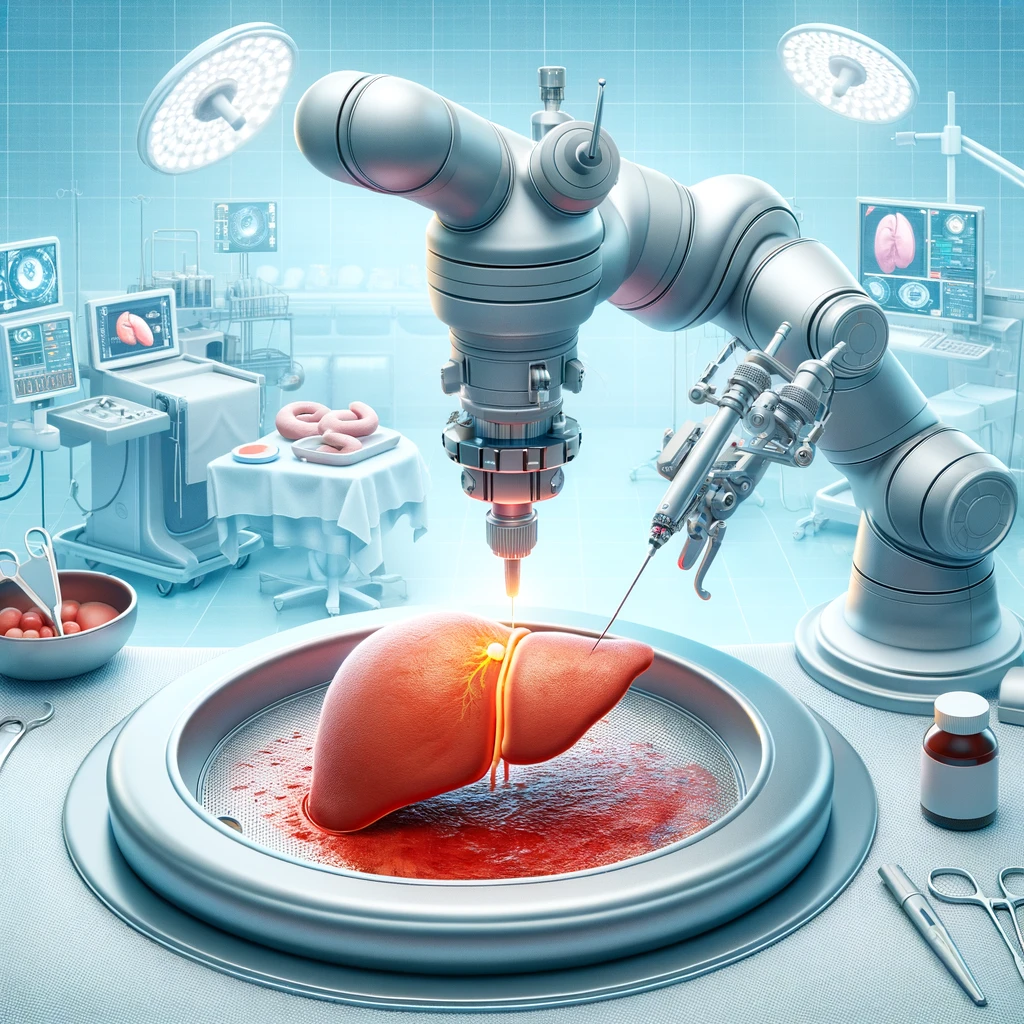
A recent study compared the cost-effectiveness of open, laparoscopic, and robotic liver resections. Results indicated that laparoscopic liver resection (LLR) incurs the lowest total costs, making it the most cost-effective option. Although robotic liver resection (RLR) is more expensive, it provides certain advantages in specific clinical scenarios, such as enhanced precision and reduced conversion rates. This comparative analysis aids in making informed decisions regarding the optimal surgical approach for liver resections based on cost and clinical outcomes.
URL: https://www.surgjournal.com/article/S0039-6060(24)00239-3/abstract