

WhatsApp

Pancreas Operation Ahead? What the Weeks Will Look Like

Last updated: 07-Nov-2026

Tapping Book on WhatsApp will likely open the WhatsApp app on your phone.

Want to know what the weeks ahead will look like? Book a visit with Dr Harsh Shah and bring your scans and reports to the consultation. · Call +91-63555-64601
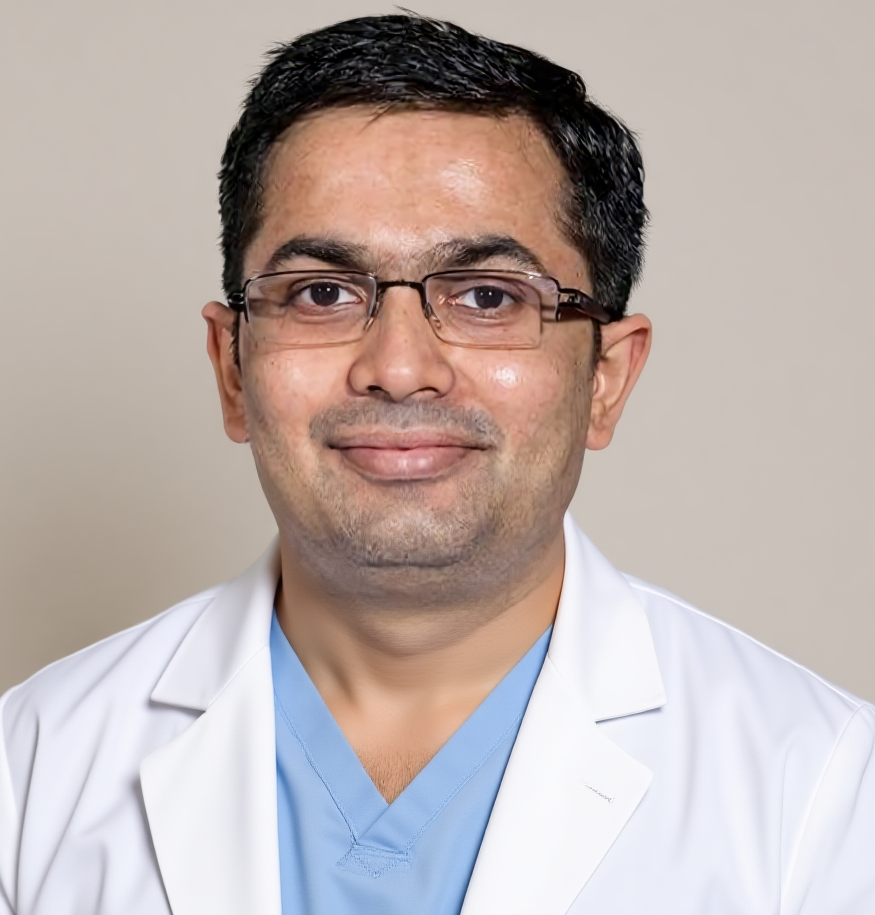
Portrait of Dr Harsh Shah, gastro and cancer surgeon, Ahmedabad

Dr Harsh Shah
MS, MCh (Surgical Gastroenterology), DrNB (Surgical Gastroenterology)
Registered with Gujarat Medical Council, Reg. No. G-38738
Gastro & Cancer Surgeon · Dr. Jivraj Mehta Hospital, Vasna, Ahmedabad

18 years of experience in surgery of the pancreas, liver, stomach, bowel and rectum.

In short

The journey has four parts. First come tests and preparation, then the operation. Recovery in hospital follows, and then months of care at home.

Knowing each part in advance makes it easier to cope. Most families say the unknown was harder than the steps themselves.

How pancreatic tumours are assessed and treated is explained in the pancreatic cancer guide by Dr Harsh Shah. This page walks through what the weeks around surgery feel like.

What happens before the operation?

The first step is to check that the tumour can be removed and that your body is ready. This takes some days and sometimes a few weeks.

Steps before pancreatic surgery and why each is done
StepWhy it matters
Pancreas protocol CT or MRIShows how close the tumour lies to the main blood vessels
Blood tests, including CA 19-9Checks the liver, kidneys, sugar and nutrition
Biliary drainage, if you are yellowClears jaundice when the bile duct is blocked
Chemotherapy first, in some casesShrinks borderline tumours so surgery works better
Heart, lung and anaesthesia checkMakes sure you can take a long operation safely

Good food, short daily walks and breathing exercises before surgery help recovery. If jaundice is present, the surgeon may first place a small tube to drain the bile. Our page on borderline resectable pancreatic cancer explains when chemotherapy comes first.

What happens on the day of surgery?

You are asleep for the whole operation. It is a long one, because the surgeon must remove the tumour and then rejoin the digestive tract.

The common operation for a tumour in the head of the pancreas is the Whipple procedure. A tumour in the body or tail needs a distal pancreatectomy. Both are done by a trained surgical team, often with a drain left near the join. After the operation you are looked after in the intensive care unit first. Your family can read more about the operation itself in our page on the Whipple operation.

What is recovery in hospital like?

Recovery goes in small steps. Each day the team checks the drains, your pain, your breathing and how well you take food.

  1. Day one: intensive care, pain relief through a fine tube, and a short sit in a chair
  2. First few days: walking with help, sips of water, then clear fluids
  3. Next days: soft food, as the stomach and bowel start to work
  4. Drains and tubes are removed one by one when they are no longer needed
  5. Going home once you eat, walk and manage pain with tablets

Some patients have a leak at the join, a delay in the stomach emptying, or an infection. The team watches for these closely and treats them early. Ask your surgeon how these are handled in the unit where you will be operated.

What is life like after you go home?

Strength comes back slowly over weeks. Eating little and often, and taking your medicines on time, matter most.

  • Meals: small, frequent and soft at first, with enough protein
  • Pancreatic enzyme capsules with food, if advised, to help digestion
  • Blood sugar checks, because the pancreas also makes insulin
  • Gentle walking daily; no heavy lifting until the surgeon allows
  • Wound care and a plan for when to call the team

Many patients then need chemotherapy for some months to lower the chance of the cancer coming back. The medical oncologist plans this once the wound has healed and your strength allows.

How long is the follow-up?

Follow-up visits are frequent in the first year, then spread out. Each visit checks your weight, food, sugar and scans.

Bring your questions to every visit, and keep a family member beside you. A list of questions to ask your pancreatic surgeon can help you prepare. If cost is on your mind, read what pancreatic surgery costs and what insurance covers.

Frequently asked questions

How long will I stay in hospital?

It differs for each person. Most patients stay one to two weeks, longer if a complication needs treatment. Your surgeon will guide you on the day.

Will I be able to eat normally again?

Most people return to a near normal diet over some weeks. You may need enzyme capsules and smaller meals for a long time.

Will I need insulin after surgery?

Some patients do, especially after removal of a large part of the pancreas. Sugar is checked often and treated if it rises.

When can I go back to work?

Usually after a few weeks to a few months, depending on your job and whether chemotherapy follows.

Who should stay with me in hospital?

One close family member who can help you walk, eat and speak with the team. A second can take turns.

Where to see Dr Harsh Shah

Dr Harsh Shah — Dr. Jivraj Mehta Hospital, Vasna, Ahmedabad
Dr. Jivraj Mehta Hospital, Dr Jivraj Mehta Marg, Vasna, Ahmedabad 380007.
Consultations, review of reports and scans, operations and follow-up. OPD Monday to Saturday, 9 am to 5 pm.
Appointments: +91-63555-64601 · +91-63590-11009 · Hospital 079-2663 6363
Directions to the hospital · WhatsApp +91-63555-64601

Back to the main guide: Pancreatic cancer with Dr Harsh Shah.

Tapping Book on WhatsApp will likely open the WhatsApp app on your phone.

Get health updates from Dr Harsh Shah on WhatsApp

Swasth Parivar: every week, practical advice on recovery, diet and warning signs. No advertising. Stop any time.

Your number is used for these updates and for the clinic to reach you. It is never sold or passed on. To stop, reply STOP on WhatsApp.

Dr Harsh Shah, Gastro, Cancer & Laparoscopic Surgeon, Ahmedabad
Privacy Overview

This website uses cookies so that we can provide you with the best user experience possible. Cookie information is stored in your browser and performs functions such as recognising you when you return to our website and helping our team to understand which sections of the website you find most interesting and useful.