

WhatsApp

Colon Cancer Surgery: What the Weeks Ahead Look Like

Last updated: 12-Nov-2026

Tapping Book on WhatsApp will likely open the WhatsApp app on your phone.

Call For Appointment · Book on WhatsApp

Tapping Book on WhatsApp will likely open the WhatsApp app on your phone.
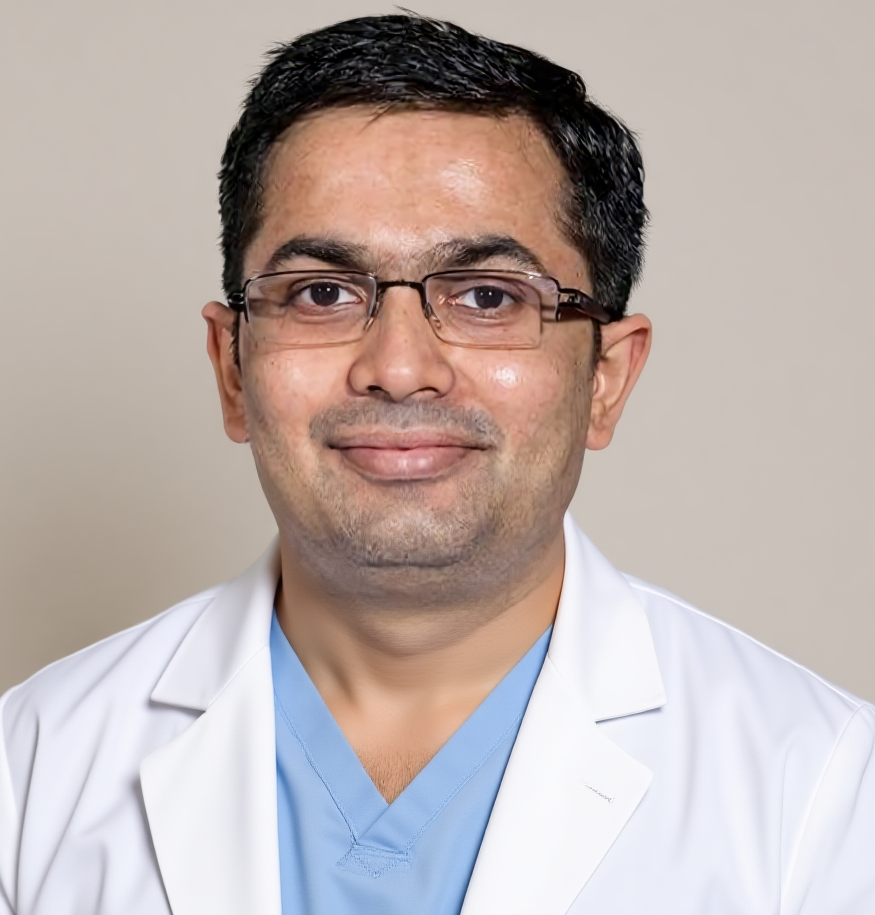
Portrait of Dr Harsh Shah, gastro and cancer surgeon, Ahmedabad

Dr Harsh Shah
MS, MCh (Surgical Gastroenterology), DrNB (Surgical Gastroenterology)
Registered with Gujarat Medical Council, Reg. No. G-38738
Gastro & Cancer Surgeon · Dr. Jivraj Mehta Hospital, Vasna, Ahmedabad

18 years of experience in surgery of the colon, rectum, liver, bile ducts, pancreas and stomach.

In short

The journey has four parts: tests before surgery, the day of the operation, a hospital stay of about a week, and a few weeks of recovery at home. Knowing each part ahead of time takes much of the fear away.

Most people walk within a day of the operation. Real strength comes back over weeks, and the final pathology report decides what happens next.

This page walks through what happens, in order. The full guide to this cancer and its treatment is in the colon cancer guide by Dr Harsh Shah.

Before the operation: tests and preparation

The days before surgery are used to confirm the plan and make your body ready. Expect blood tests, scans and a check by the anaesthetist.

You will already have had a colonoscopy and a biopsy. Before surgery you may also need a CT scan of the chest and belly. A heart test and blood tests, including CEA, are common too. If you have a long-term illness such as diabetes or high blood pressure, these are brought under control first.

  • Stop smoking and tobacco as early as you can. It lowers the risk of wound and chest problems.
  • Walk daily and eat well. If you are weak or underweight, protein drinks are often added.
  • Tell the team about every medicine, including blood thinners, which are usually paused.

The day of the operation

You are admitted, prepared and taken to the operation theatre. The operation is done under general anaesthesia, so you are asleep and feel nothing.

Your bowel may be cleaned with a drink the day before, as your surgeon advises. You will not eat for several hours before the operation. Dr Harsh Shah operates laparoscopically (keyhole) or by open surgery, chosen for the person and the cancer. The part of the colon with the tumour is removed with its nearby lymph glands, and the healthy ends are joined.

The operation often takes two to four hours. Your family waits outside and is told when you are shifted to the recovery area.

The first days in hospital

Early movement is the main aim. Most people sit up and take a few steps on the first day, and drink fluids soon after.

You may have a drip, a thin tube for urine and sometimes a drain near the wound. These come out over the first few days. Pain is controlled with medicine, and you should say if it is not enough. Breathing exercises and walking help prevent chest infection and clots.

A usual timeline after colon cancer surgery
WhenWhat usually happens
Day of surgeryWake up in recovery, sips of water, sit up in bed
Day 1Walk a few steps, start clear fluids, urine tube may come out
Days 2 to 3Soft food, walking in the ward, drain reviewed
Days 4 to 6Passing gas and stool, normal diet in small meals
Days 5 to 8Wound check, discharge when eating, walking and pain are settled
About 2 weeksReview visit, stitches checked, pathology report discussed

Every person is different. Stays are shorter after keyhole surgery in many cases, and longer if a problem needs watching.

Eating and bowel habits after surgery

Eat small, soft meals first and add normal food slowly. Bowel habits can be loose or irregular for some weeks and usually settle.

Gas, bloating and a changed bowel pattern are common at first. Drink plenty of water and chew well. Foods that cause trouble differ from person to person, so add them back one at a time. A dietitian can help if your appetite is poor or you are losing weight.

Going home and the weeks of recovery

At home you rest, walk more each day and avoid heavy lifting for about six weeks. Most people return to light work in three to six weeks.

  • Walk several times a day. Short, regular walks beat one long one.
  • Do not lift heavy weights or strain for about six weeks, to protect the wound.
  • Keep the wound clean and dry. Follow the dressing advice you are given.
  • Ask when you may drive, travel and return to your routine.

Feeling tired and low is normal for weeks. If low mood or fear stays strong, tell your doctor. Talking helps.

Warning signs: when to call the same day

Call the same day for any of these. Fever. Severe or growing belly pain. Repeated vomiting. A wound that opens or leaks. No stool and no gas together.

These signs may point to infection or a problem with the join, and early treatment makes a real difference. Keep your surgeon’s contact number with you, and do not wait for the next visit.

After the report: what happens next

The removed specimen is examined under the microscope. This pathology report gives the final stage and tells us if chemotherapy is advised.

Many people need no further treatment. Some, especially when lymph glands are involved, are advised chemotherapy, and a medical oncologist explains it. After that you are followed with visits, blood tests including CEA, scans and a colonoscopy at planned intervals for several years. If you wish to confirm the plan, see our page on getting a second opinion for colon cancer.

Frequently asked questions

How long will I stay in hospital?

Usually about five to eight days. Keyhole surgery often allows an earlier return home, and a complication can make the stay longer.

When can I eat normally?

Most people take fluids on the first day and soft food in a few days. Normal meals return slowly over a few weeks.

When can I go back to work?

Desk work is often possible in three to six weeks. Heavy work needs longer, and your surgeon will advise you.

Will I have pain after the operation?

Yes, some, but it is controlled with medicine. It is usually mild after the first few days. Tell the team if it is not.

Will I need chemotherapy?

That depends on the stage found in the pathology report. Many people do not need it. Your doctors will explain after the report arrives.

Where to see Dr Harsh Shah

Dr Harsh Shah — Dr. Jivraj Mehta Hospital, Vasna, Ahmedabad
Dr. Jivraj Mehta Hospital, Dr Jivraj Mehta Marg, Vasna, Ahmedabad 380007.
Consultations, review of reports and scans, operations and follow-up. OPD Monday to Saturday, 9 am to 5 pm.
Appointments: +91-63555-64601 · +91-63590-11009 · Hospital 079-2663 6363
Directions to the hospital · WhatsApp +91-63555-64601

Back to the main guide: Colon cancer with Dr Harsh Shah.

Tapping Book on WhatsApp will likely open the WhatsApp app on your phone.

Get health updates from Dr Harsh Shah on WhatsApp

Swasth Parivar: every week, practical advice on recovery, diet and warning signs. No advertising. Stop any time.

Your number is used for these updates and for the clinic to reach you. It is never sold or passed on. To stop, reply STOP on WhatsApp.

Dr Harsh Shah, Gastro, Cancer & Laparoscopic Surgeon, Ahmedabad
Privacy Overview

This website uses cookies so that we can provide you with the best user experience possible. Cookie information is stored in your browser and performs functions such as recognising you when you return to our website and helping our team to understand which sections of the website you find most interesting and useful.