

Last updated: 09-Nov-2026
Tapping Book on WhatsApp will likely open the WhatsApp app on your phone.
Call For Appointment · Book on WhatsApp
Tapping Book on WhatsApp will likely open the WhatsApp app on your phone.
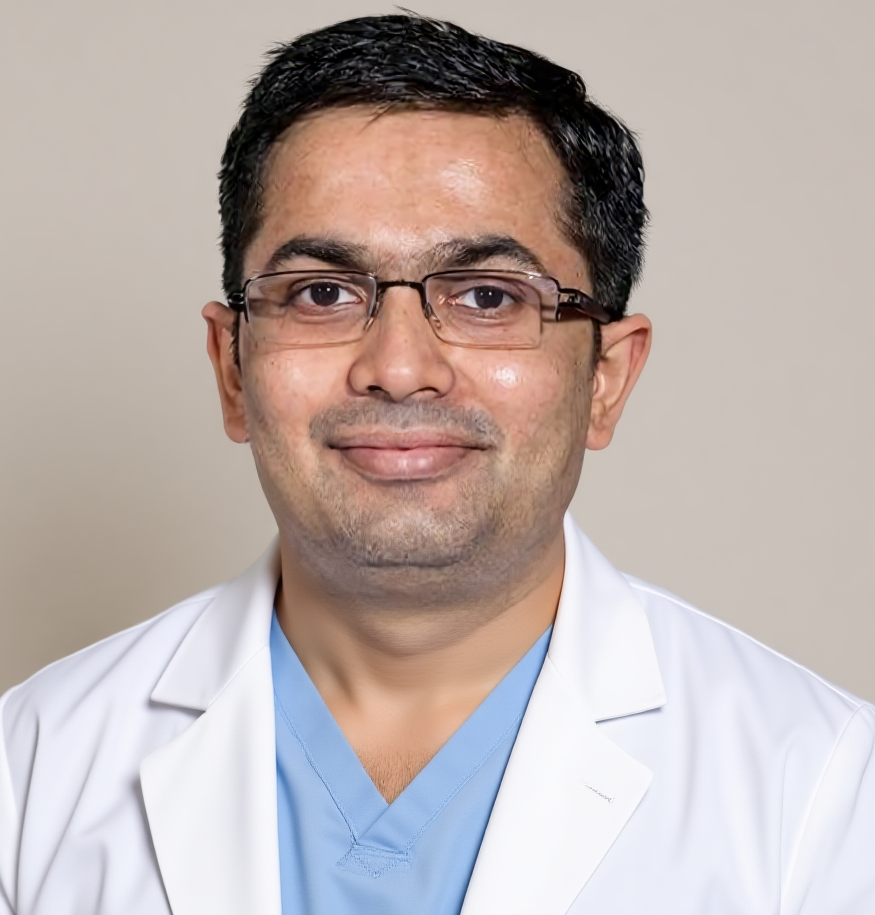
Dr Harsh Shah
MS, MCh (Surgical Gastroenterology), DrNB (Surgical Gastroenterology)
Registered with Gujarat Medical Council, Reg. No. G-38738
Gastro & Cancer Surgeon · Dr. Jivraj Mehta Hospital, Vasna, Ahmedabad
18 years of experience in surgery of the bowel, rectum, anal canal, liver, bile ducts and pancreas.
In short
Most anal canal cancers are treated first with radiotherapy and chemotherapy, not an operation. Surgery is kept for cancer that stays or returns, and for a few special situations. If you do need it, the path has clear steps.
The path starts with preparation and stoma teaching. Then come a few days in hospital. Recovery then takes weeks to months. Knowing each step in advance keeps the journey calmer.
The disease itself is explained in the anal canal cancer guide by Dr Harsh Shah. This page only covers what the surgical journey looks like.
Often not at first. For many squamous anal canal cancers, radiotherapy with chemotherapy is the first treatment, and it can clear the tumour without surgery.
An operation is usually advised when a scan or biopsy shows cancer left after that treatment. It is also advised when the cancer comes back, or is of a rarer type. The usual operation is called abdominoperineal resection. It removes the anal canal and the rectum. It needs a permanent stoma, which is a bowel opening on the belly wall.
Dr Harsh Shah performs these operations laparoscopically or by open surgery. The route is chosen for your body and your cancer.
Preparation takes days to weeks. It checks that you are fit, fixes what can be fixed, and teaches you about the stoma before you have it.
Each stage has its own job. The table shows what happens and what you may feel at each point.
| Stage | What happens | What you may notice |
|---|---|---|
| Before surgery | Tests, fitness check, stoma marking, counselling | Worry is normal; questions help |
| Day of surgery | Anaesthesia, the operation, a stoma and a wound near the anus | Waking up in the recovery area, drips and tubes in place |
| First days in hospital | Pain control, walking, drains and catheter removed, stoma teaching | Soreness, tiredness, a stoma bag on the belly |
| First weeks at home | Wound care, stoma care, slow return to routine | Tiredness, a tender wound, getting used to the bag |
| Months after | Wound heals fully, follow-up visits and scans | Energy returns; daily life settles |
You are encouraged to move early. Pain is treated actively, and the team starts teaching you stoma care from the first days.
You will usually be asked to sit up and walk within a day or two. Drips, drains and the urine tube are taken out as you recover. A stoma nurse shows you how to empty and change the bag, and your family is taught too. You go home when you eat, walk, pass urine, and manage the bag with confidence. For most people this takes several days.
The wound near the anus can take weeks, and sometimes months, to heal fully. This is expected, and it does not mean something went wrong.
Keep the wound clean and dry as shown. Use a soft cushion for sitting. Walk daily, and avoid heavy lifting until you are told it is safe. Eat enough protein. Call early if you see spreading redness, pus or fever. Call early too if the stoma turns dark, or the belly swells and will not settle. Some people notice changes in urine or sexual function, and these can be discussed openly at follow-up.
Follow-up is a schedule of check visits and scans. Its purpose is to catch any return early and to look after your wellbeing.
Expect regular examination and scans for the first few years, spaced further apart as time passes. Many people also meet a stoma nurse or a support group, which helps with confidence. The costs and insurance side is covered in what anal canal cancer treatment costs and what insurance covers.
He explains each step before it happens, and he keeps the plan simple. You and your family know what comes next at every stage.
Dr Harsh Shah has completed super-specialty training in surgical gastroenterology and has 18 years of experience. He is registered with the Gujarat Medical Council, Reg. No. G-38738, and consults at Dr. Jivraj Mehta Hospital, Vasna, Ahmedabad. If radiotherapy and chemotherapy are the right first step for you, he will say so. If surgery is needed, he will walk you through it as described here.
After abdominoperineal resection, yes, the stoma is permanent. Most people learn to manage it well within weeks, with help from a stoma nurse.
Usually several days. You go home once you eat, walk, pass urine and manage the stoma bag with confidence.
It is tender at first and eases steadily with medicines and care. Full healing can take longer than the pain does.
It depends on your job and your recovery. Desk work is often possible sooner than heavy work. Your surgeon will guide you at follow-up.
Yes, mostly. You can eat a normal, balanced diet. A few foods may cause gas or loose output, and you will learn which ones.
Dr Harsh Shah — Dr. Jivraj Mehta Hospital, Vasna, Ahmedabad
Dr. Jivraj Mehta Hospital, Dr Jivraj Mehta Marg, Vasna, Ahmedabad 380007.
Consultations, review of reports and scans, operations and follow-up. OPD Monday to Saturday, 9 am to 5 pm.
Appointments: +91-63555-64601 · +91-63590-11009 · Hospital 079-2663 6363
Directions to the hospital · WhatsApp +91-63555-64601
Back to the main guide: Anal canal cancer with Dr Harsh Shah.
Tapping Book on WhatsApp will likely open the WhatsApp app on your phone.
Swasth Parivar: every week, practical advice on recovery, diet and warning signs. No advertising. Stop any time.
Your number is used for these updates and for the clinic to reach you. It is never sold or passed on. To stop, reply STOP on WhatsApp.