

WhatsApp

Liver and Bile Duct Surgery: Judging Who Should Operate

Last updated: 07-Nov-2026

Tapping Book on WhatsApp will likely open the WhatsApp app on your phone.

Comparing surgeons for a gallbladder or bile duct tumour? Book a visit with Dr Harsh Shah and bring your scans and reports along. · Call +91-63555-64601
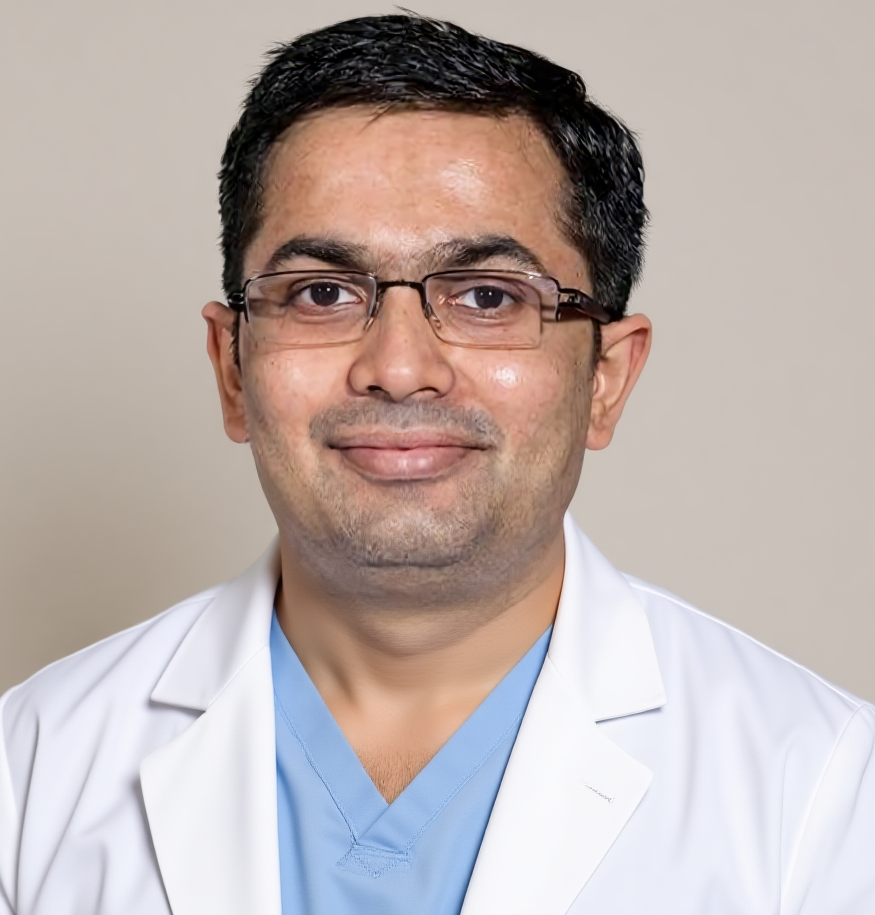
Portrait of Dr Harsh Shah, gastro and cancer surgeon, Ahmedabad

Dr Harsh Shah
MS, MCh (Surgical Gastroenterology), DrNB (Surgical Gastroenterology)
Registered with Gujarat Medical Council, Reg. No. G-38738
Gastro & Cancer Surgeon · Dr. Jivraj Mehta Hospital, Vasna, Ahmedabad

18 years of experience in surgery of the liver, bile ducts, gallbladder, pancreas, stomach and bowel.

In short

Cancers of the gallbladder and bile duct are removed with operations that involve the liver, the bile ducts and nearby lymph glands. The operation depends on where the tumour sits, so the surgeon you choose should handle liver and bile duct surgery as everyday work.

Look at three things: the surgeon’s training in liver and bile duct surgery, the team around them, and whether they explain your plan in words you can follow.

How these tumours are assessed and operated on is set out in the gallbladder and bile duct cancer guide by Dr Harsh Shah. This page helps you judge who should do the operation.

What makes these operations different?

The gallbladder and bile ducts sit against the liver and the main blood vessels. Taking out the cancer often means taking out part of the liver as well.

For a gallbladder cancer, the usual operation removes the gallbladder, the liver tissue next to it and the lymph glands around the bile duct. If the cancer is found by chance after a stone operation, a second operation is often planned. For a bile duct cancer, the operation follows the site of the tumour. A tumour high in the duct, near the liver, may need a large part of the liver removed. The remaining ducts are then joined to the bowel. A tumour low in the duct, near the pancreas, is treated with a Whipple operation.

These are long operations with several joins inside the abdomen. A surgeon who has done them many times is more likely to see a problem on the scan before the first cut.

What should you look for in a surgeon?

Look for training in surgery of the liver, bile ducts and pancreas, and for a practice that is built around these organs.

Questions that help you compare surgeons
What to look atWhy it matters
Training in surgical gastroenterologyCovers liver, bile duct and pancreas operations as a core skill
Share of the practice that is hepatobiliaryRegular practice keeps judgement and technique sharp
Reading of your scansThe plan depends on how the tumour relates to vessels and the liver
Willingness to say no to surgerySome tumours are better treated with chemotherapy first, or not operated at all
Plain explanation of optionsYou should leave knowing what is planned and why

A surgeon who tells you honestly that an operation is not right for you is giving you useful information, not turning you away.

Why does the hospital team count?

The operation is only one part of the journey. Scans before, intensive care after, and chemotherapy planning all depend on a team.

  • A radiologist who reads liver and bile duct scans every day
  • An endoscopist who can place a bile duct stent when needed
  • An intensive care unit used to recovery after liver surgery
  • A medical oncologist to discuss chemotherapy before or after the operation
  • Nurses who know the care of drains and diet after surgery

Dr Harsh Shah trained in surgical gastroenterology and works with a team at a hospital set up for this surgery. Ask at the consultation how your case would be handled, from the first scan to follow-up.

When is a second look worth taking?

Take one when the plan is unclear, when you are told the tumour cannot be removed, or when the cancer was found after a gallbladder operation for stones.

Each of these has more than one possible path. Our page on re-operation for gallbladder cancer found by chance explains why a second operation is often advised. The page on perihilar bile duct cancer shows how hard the decision can be for a tumour near the liver.

What should you ask before you decide?

Ask simple, direct questions. A clear and honest answer is a good sign.

  1. Where exactly is the tumour, and what operation does that mean?
  2. How often do you perform this operation?
  3. Will part of the liver be removed, and how will the rest work?
  4. Who looks after me in intensive care and after discharge?
  5. Would chemotherapy before or after surgery help in my case?

Frequently asked questions

Can a general surgeon operate on a gallbladder cancer?

Some can, but these are complex operations. It is fair to ask how often the surgeon and the unit do them and who handles complications.

My gallbladder was removed for stones and cancer was found later. What now?

Show the biopsy report and scans to a surgeon who treats gallbladder cancer. A second operation to clear the area is often advised, and the timing matters.

Is it normal to ask for another opinion?

Yes. For a serious illness, doctors expect it. Take your scans, reports and medicine list to the visit.

Does choosing a specialist mean a bigger operation?

No. A specialist advises the operation that fits your tumour. Sometimes this means chemotherapy first, or a smaller procedure.

What should I bring to the consultation?

Bring CT or MRI discs and reports, blood tests, biopsy and operation papers, and a family member.

Where to see Dr Harsh Shah

Dr Harsh Shah — Dr. Jivraj Mehta Hospital, Vasna, Ahmedabad
Dr. Jivraj Mehta Hospital, Dr Jivraj Mehta Marg, Vasna, Ahmedabad 380007.
Consultations, review of reports and scans, operations and follow-up. OPD Monday to Saturday, 9 am to 5 pm.
Appointments: +91-63555-64601 · +91-63590-11009 · Hospital 079-2663 6363
Directions to the hospital · WhatsApp +91-63555-64601

Back to the main guide: Gallbladder and bile duct cancer with Dr Harsh Shah.

Tapping Book on WhatsApp will likely open the WhatsApp app on your phone.

Get health updates from Dr Harsh Shah on WhatsApp

Swasth Parivar: every week, practical advice on recovery, diet and warning signs. No advertising. Stop any time.

Your number is used for these updates and for the clinic to reach you. It is never sold or passed on. To stop, reply STOP on WhatsApp.

Dr Harsh Shah, Gastro, Cancer & Laparoscopic Surgeon, Ahmedabad
Privacy Overview

This website uses cookies so that we can provide you with the best user experience possible. Cookie information is stored in your browser and performs functions such as recognising you when you return to our website and helping our team to understand which sections of the website you find most interesting and useful.