

WhatsApp

Who Should Operate on Peritoneal Cancer? Why Training Counts

Last updated: 08-Nov-2026

Tapping Book on WhatsApp will likely open the WhatsApp app on your phone.

Choosing who will operate on cancer of the abdominal lining? Book a visit with Dr Harsh Shah and ask every question you have about the surgeon’s training. · Call +91-63555-64601
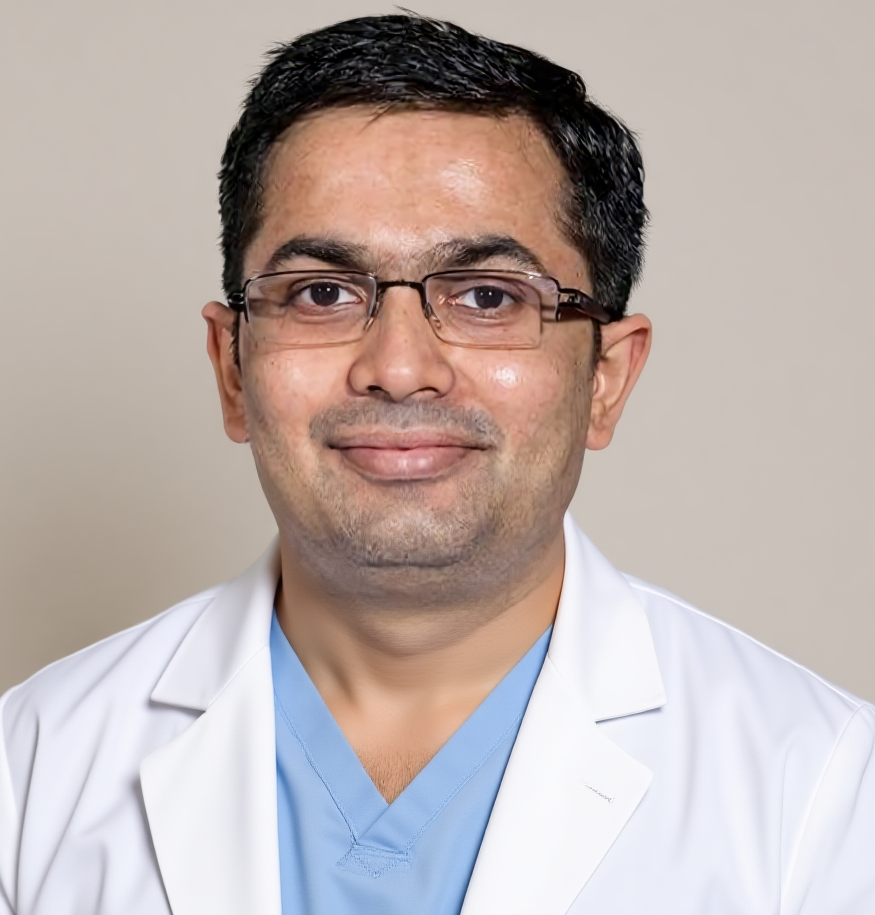
Portrait of Dr Harsh Shah, gastro and cancer surgeon, Ahmedabad

Dr Harsh Shah
MS, MCh (Surgical Gastroenterology), DrNB (Surgical Gastroenterology)
Registered with Gujarat Medical Council, Reg. No. G-38738
Gastro & Cancer Surgeon · Dr. Jivraj Mehta Hospital, Vasna, Ahmedabad

18 years of experience in surgery of the bowel, stomach, liver, bile ducts, pancreas and the lining of the abdomen.

In short

Cytoreductive surgery with HIPEC works on many organs in one sitting. A surgeon trained in the gut, liver and pancreas already knows these organs well. That training is the main reason to look for one.

Ask about training, the size of the team and what happens if a complication arises. A clear answer is a good sign.

The disease and its treatment are explained in the peritoneal surface malignancy guide by Dr Harsh Shah. This page deals only with how to choose the surgeon.

Why does the surgeon's background matter?

Removing cancer from the abdominal lining is rarely about one organ. The surgeon may need to work on the bowel, stomach, spleen, liver surface or pelvis during the same operation.

A surgeon who does gut, liver and pancreas operations every week handles these steps with practised hands. Bowel joins, bleeding control and safe dissection near large vessels are daily work for such a surgeon.

Parts of the operation and the skill each one needs
Part of the operationSkill it draws on
Peeling disease off the abdominal liningCareful dissection near bowel and vessels
Removing a segment of bowel or stomachSafe cutting and joining of the gut
Clearing disease from the liver surface or spleenLiver and upper abdominal surgery
Running heated chemotherapy inside the abdomenTeamwork with anaesthesia and the operating room staff
Managing a leak or bleed after surgeryQuick judgement and experience with complications

What else should a good team have?

The surgeon is only one part. The operation also needs an anaesthetist who knows long cancer surgery and an intensive care unit that is ready.

  • An anaesthesia team used to long operations and fluid shifts.
  • An intensive care or high-dependency unit with round-the-clock cover.
  • A way to give HIPEC safely, with trained staff for the drugs and the equipment.
  • Nutrition, physiotherapy and nursing support for the weeks that follow.

Hospitals differ in what they can offer. Ask to see the unit, and ask who will be present on the night after surgery.

What should you ask before you decide?

Good questions are simple. They cover training, how often the surgeon does this operation, and what the plan is if things go off course.

Dr Harsh Shah has completed super-specialty training in surgical gastroenterology and has 18 years of experience. He is registered with the Gujarat Medical Council, Reg. No. G-38738, and consults at Dr. Jivraj Mehta Hospital, Vasna, Ahmedabad. He does laparoscopic and open operations, and cytoreductive surgery for peritoneal cancer is done open.

  1. Which super-specialty training have you completed?
  2. How many such operations do you and your team do in a year?
  3. What are the risks in my case, in plain words?
  4. Who looks after me in the intensive care unit?
  5. If I am not a candidate for this operation, what do you suggest?

If you would like more than one view, our page on taking a second opinion shows how to go about it.

What if a problem arises after surgery?

Even in good hands, a long operation can bring problems such as a leak, a bleed or an infection. What matters is how fast they are spotted and handled.

A surgeon at the bedside every day makes a real difference. So does a team trained to act within minutes. Some problems settle with medicines and drains. A few need a second operation, and the surgeon who did the first one is well placed to decide.

Ask in advance how the team handles night-time emergencies. Ask too whether the same surgeon will be reachable when you go home.

Frequently asked questions

Is HIPEC done only by a surgical oncologist?

No. It is done by surgeons trained in complex abdominal cancer surgery. A surgical gastroenterologist is one such surgeon.

Does a bigger hospital always mean a safer operation?

Not by itself. The surgeon's training, the team and the intensive care cover matter more than the building.

Should the same surgeon see me before and after the operation?

Yes, if possible. A surgeon who knows your case from the start can spot trouble sooner.

Can I travel from another city for this surgery?

Yes. Many families do. Plan to stay near the hospital for a few weeks after the operation.

What if my scans show the disease cannot be fully removed?

Then another route may suit you better, such as chemotherapy first. An honest surgeon will tell you this early.

Where to see Dr Harsh Shah

Dr Harsh Shah — Dr. Jivraj Mehta Hospital, Vasna, Ahmedabad
Dr. Jivraj Mehta Hospital, Dr Jivraj Mehta Marg, Vasna, Ahmedabad 380007.
Consultations, review of reports and scans, operations and follow-up. OPD Monday to Saturday, 9 am to 5 pm.
Appointments: +91-63555-64601 · +91-63590-11009 · Hospital 079-2663 6363
Directions to the hospital · WhatsApp +91-63555-64601

Back to the main guide: Peritoneal surface malignancy with Dr Harsh Shah.

Tapping Book on WhatsApp will likely open the WhatsApp app on your phone.

Get health updates from Dr Harsh Shah on WhatsApp

Swasth Parivar: every week, practical advice on recovery, diet and warning signs. No advertising. Stop any time.

Your number is used for these updates and for the clinic to reach you. It is never sold or passed on. To stop, reply STOP on WhatsApp.

Dr Harsh Shah, Gastro, Cancer & Laparoscopic Surgeon, Ahmedabad
Privacy Overview

This website uses cookies so that we can provide you with the best user experience possible. Cookie information is stored in your browser and performs functions such as recognising you when you return to our website and helping our team to understand which sections of the website you find most interesting and useful.