

WhatsApp

Pancreatic Cancer: Why Your Surgeon's Training Matters

Last updated: 07-Nov-2026

Tapping Book on WhatsApp will likely open the WhatsApp app on your phone.

Not sure who should operate? Book a visit with Dr Harsh Shah and bring your scans and reports to the consultation. · Call +91-63555-64601
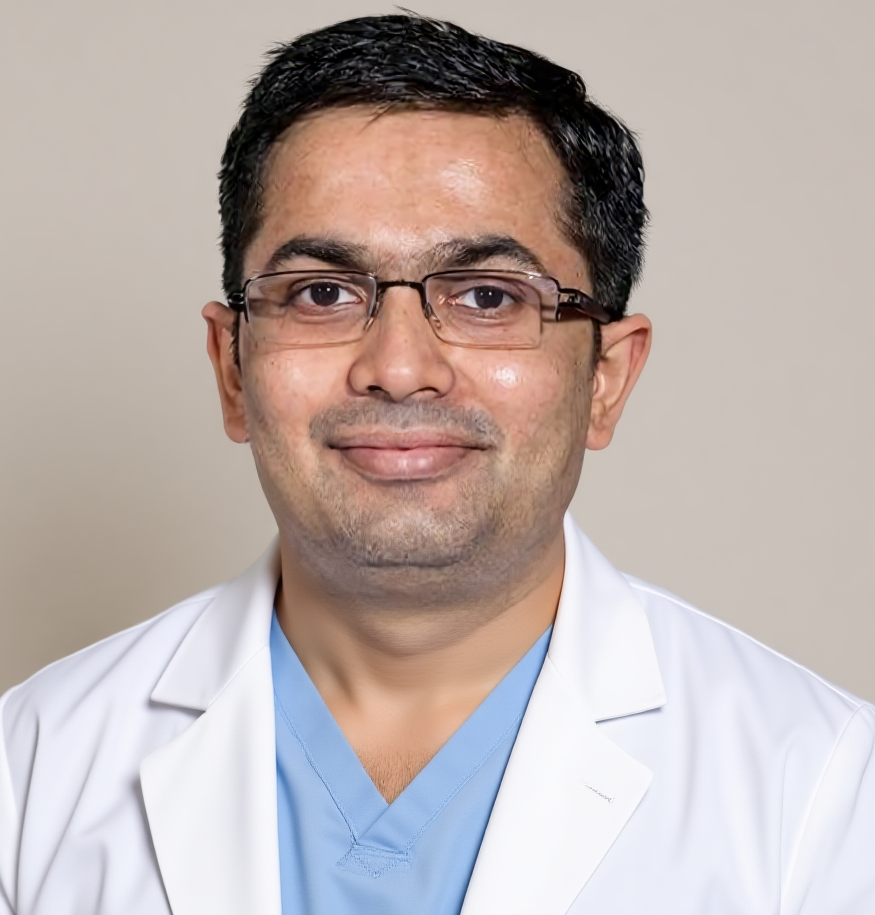
Portrait of Dr Harsh Shah, gastro and cancer surgeon, Ahmedabad

Dr Harsh Shah
MS, MCh (Surgical Gastroenterology), DrNB (Surgical Gastroenterology)
Registered with Gujarat Medical Council, Reg. No. G-38738
Gastro & Cancer Surgeon · Dr. Jivraj Mehta Hospital, Vasna, Ahmedabad

18 years of experience in surgery of the pancreas, liver, stomach, bowel and rectum.

In short

Pancreatic surgery is among the hardest operations in the abdomen. A surgeon who spends most of the week on pancreas, liver and bile duct cases handles the planning, the operation and the problems after it with more practice.

A dedicated gastro and cancer surgeon works with a team that does these operations often. Ask about that team, not only about the surgeon.

How pancreatic tumours are assessed and treated is explained in the pancreatic cancer guide by Dr Harsh Shah. This page explains why the choice of surgeon and team matters.

Why is pancreatic surgery so demanding?

The pancreas lies deep in the abdomen, wrapped around large blood vessels and joined to the bile duct, the stomach and the bowel. Removing a tumour means cutting through all of these and rebuilding them.

In a Whipple operation the surgeon removes the head of the pancreas with the bile duct, the first part of the small bowel and often a part of the stomach. Three new joins are then made. In a distal pancreatectomy the body and tail are removed, often with the spleen. A small error in a join can cause a leak, and a leak is the problem the team fears most.

The operation can last many hours. The same hands, the same assistants and the same anaesthesia team working together often make the hours safer.

What does a dedicated GI cancer surgeon add?

Added training and daily practice in one group of organs. This shows in the scan reading, in the operation and in the early recognition of trouble afterwards.

Where a dedicated gastro and cancer surgeon helps at each stage
StageWhat the specialist adds
Before surgeryReads the pancreas protocol CT and judges if the tumour can be removed or needs chemotherapy first
PlanningDecides on the operation, and whether a blood vessel needs to be removed with the tumour
In the operating roomWorks with an anaesthetist and nurses who know the steps of this operation
In the first daysSpots a leak, bleeding or slow stomach early and treats it without delay
After dischargePlans follow-up, enzymes, sugar control and the link with chemotherapy

Studies from many countries have linked pancreatic surgery in units that do these operations often with fewer serious complications. This does not mean every complication can be avoided. It means that a team used to these operations has a better chance of dealing with a problem in time.

Why does the team matter as much as the surgeon?

One surgeon cannot do this alone. The intensive care unit, the radiologist, the anaesthetist, the nurses and the medical oncologist all shape how you recover.

  • A radiologist who reads pancreas scans every day
  • An intensive care unit used to the first night after a long operation
  • Nurses who know how to care for drains and feeding tubes
  • A medical oncologist to plan chemotherapy before or after surgery
  • Round-the-clock access to endoscopy and drainage if a problem arises

Dr Harsh Shah trained in surgical gastroenterology, which covers the pancreas, liver, bile ducts, stomach and bowel. His practice is built around these organs, and he works with a team in a hospital equipped for this surgery.

When should you ask for a specialist opinion?

Ask for one when the scan shows a tumour near the main blood vessels, when you have been told it cannot be removed, or when the plan is not clear to you.

A second look from a surgeon who handles these cases often is useful in each of these situations. It can change a plan from “not removable” to “chemotherapy first, then surgery”. Our page on borderline resectable pancreatic cancer explains how this works.

What should you ask before you decide?

Ask plain questions about the surgeon, the team and the hospital. A clear, honest answer is a good sign.

  1. How often does the surgeon operate on the pancreas in a year?
  2. Which team will be with me in the operating room and in intensive care?
  3. What happens if a leak or bleeding occurs after surgery?
  4. Will my case be discussed with a medical oncologist and a radiologist?
  5. Who will I speak to if I have a problem at night?

A longer list is in our page on questions to ask your pancreatic surgeon. To know what the weeks ahead look like, read what to expect from pancreatic cancer surgery.

Frequently asked questions

Is a general surgeon able to do pancreatic surgery?

Some can, but this is a complex operation. It is reasonable to ask how often the surgeon and the unit do it and who handles complications.

Do I need to travel to a big city for pancreatic surgery?

Not always. What matters is that the surgeon and the hospital are used to this operation. Many patients from smaller towns come to Ahmedabad for planning and surgery.

Does a specialist always mean a bigger operation?

No. A specialist advises the operation that fits your tumour. Sometimes this means chemotherapy first, or no surgery at all.

Can I take a second opinion without upsetting my doctor?

Yes. Doctors expect it for a serious illness. Take your scans, reports and a list of your medicines to the visit.

What should I bring to the consultation?

Bring all CT or MRI discs and reports, blood reports, biopsy reports and earlier discharge papers, along with a family member.

Where to see Dr Harsh Shah

Dr Harsh Shah — Dr. Jivraj Mehta Hospital, Vasna, Ahmedabad
Dr. Jivraj Mehta Hospital, Dr Jivraj Mehta Marg, Vasna, Ahmedabad 380007.
Consultations, review of reports and scans, operations and follow-up. OPD Monday to Saturday, 9 am to 5 pm.
Appointments: +91-63555-64601 · +91-63590-11009 · Hospital 079-2663 6363
Directions to the hospital · WhatsApp +91-63555-64601

Back to the main guide: Pancreatic cancer with Dr Harsh Shah.

Tapping Book on WhatsApp will likely open the WhatsApp app on your phone.

Get health updates from Dr Harsh Shah on WhatsApp

Swasth Parivar: every week, practical advice on recovery, diet and warning signs. No advertising. Stop any time.

Your number is used for these updates and for the clinic to reach you. It is never sold or passed on. To stop, reply STOP on WhatsApp.

Dr Harsh Shah, Gastro, Cancer & Laparoscopic Surgeon, Ahmedabad
Privacy Overview

This website uses cookies so that we can provide you with the best user experience possible. Cookie information is stored in your browser and performs functions such as recognising you when you return to our website and helping our team to understand which sections of the website you find most interesting and useful.