


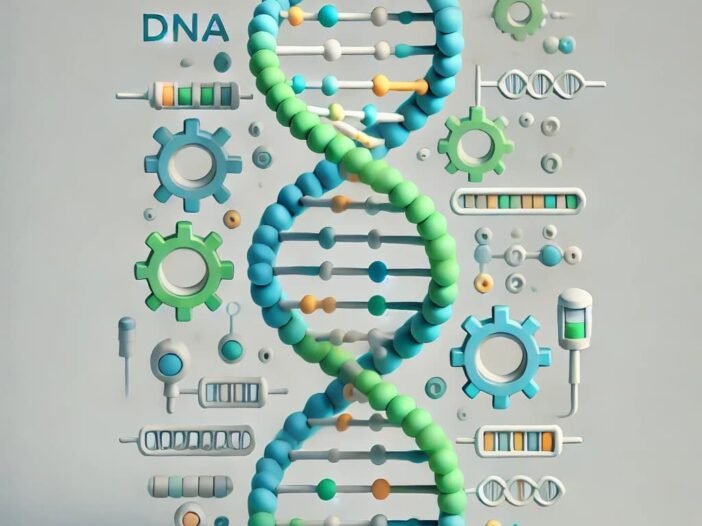
Recent research published in Nature Nanotechnology introduces an innovative approach in targeted cancer therapy using a DNA origami-based nanorobotic switch. This nanodevice is designed to selectively activate apoptosis, or programmed cell death, specifically within the acidic environment of solid tumors. This targeted activation minimizes damage to healthy cells, addressing a major challenge in cancer treatment.
The new DNA nanorobot utilizes a switch mechanism that activates cytotoxic ligands—a set of molecules capable of triggering cell death—only under acidic conditions, typically found in tumor microenvironments (pH 6.5). This precise targeting ensures that the ligands remain hidden under normal physiological conditions (pH 7.4), thereby reducing the risk of off-target effects and minimizing toxicities to healthy tissue.
The origami nanodevice uses DNA structures to precisely present ligands in a hexagonal pattern, effectively clustering death receptors (DRs) such as DR5. Once clustered, these receptors activate the apoptosis pathways, selectively inducing death in cancer cells. In mouse models, this approach led to a significant decrease in tumor growth—up to 70% reduction—demonstrating its potential efficacy in clinical settings.
This study also highlights the importance of controlling receptor oligomerization to improve the efficacy of ligand-induced apoptosis. Traditional ligand therapies often fail to precisely tune receptor activation, leading to suboptimal outcomes. The DNA origami approach, however, allows for accurate spatial control over ligand presentation, ensuring effective DR5 clustering and subsequent tumor cell death.
Furthermore, the pH-sensitive nature of the nanorobot makes it an attractive candidate for in vivo applications. It minimizes on-target, off-tumor toxicities, which are common with non-specific treatments. The DNA switch remained inactive in normal tissues, which is crucial for reducing adverse effects, including immune disorders and neurotoxicity.
This DNA origami robotic switch represents a step forward in the field of nanomedicine, providing a highly selective, targeted mechanism to induce apoptosis in cancer cells, with promising implications for future therapeutic applications.
For more details, please refer to the original study: https://doi.org/10.1038/s41565-024-01676-4
Get health updates from Dr Harsh Shah on WhatsApp
Swasth Parivar: every week, practical advice on recovery, diet and warning signs. No advertising. Stop any time.
Your number is used for these updates and for the clinic to reach you. It is never sold or passed on. To stop, reply STOP on WhatsApp.
Leave a Reply