

WhatsApp

A Painful Swelling Near the Anus? It May Be an Abscess

Dr Harsh Shah · Dr. Jivraj Mehta Hospital, Vasna, Ahmedabad

Tapping Book on WhatsApp will likely open the WhatsApp app on your phone.

Perianal abscess care in Ahmedabad · for a hot, throbbing lump beside the anus

Last updated: 04-Nov-2026

A hot, tender, throbbing lump beside the anus, often with fever, is usually a perianal abscess. It is a pocket of pus, and it needs to be drained by a surgeon, not waited out.

Tablets and warm water can take the edge off the pain for a day or two, but pus that is trapped will not clear with medicine alone. This page explains what the swelling is, why early drainage matters, what the small operation involves and how to look after the wound afterwards.

Your surgeon

Dr Harsh Shah is a gut surgeon who drains perianal abscesses and treats what lies behind them. The same surgeon sees you at every step.
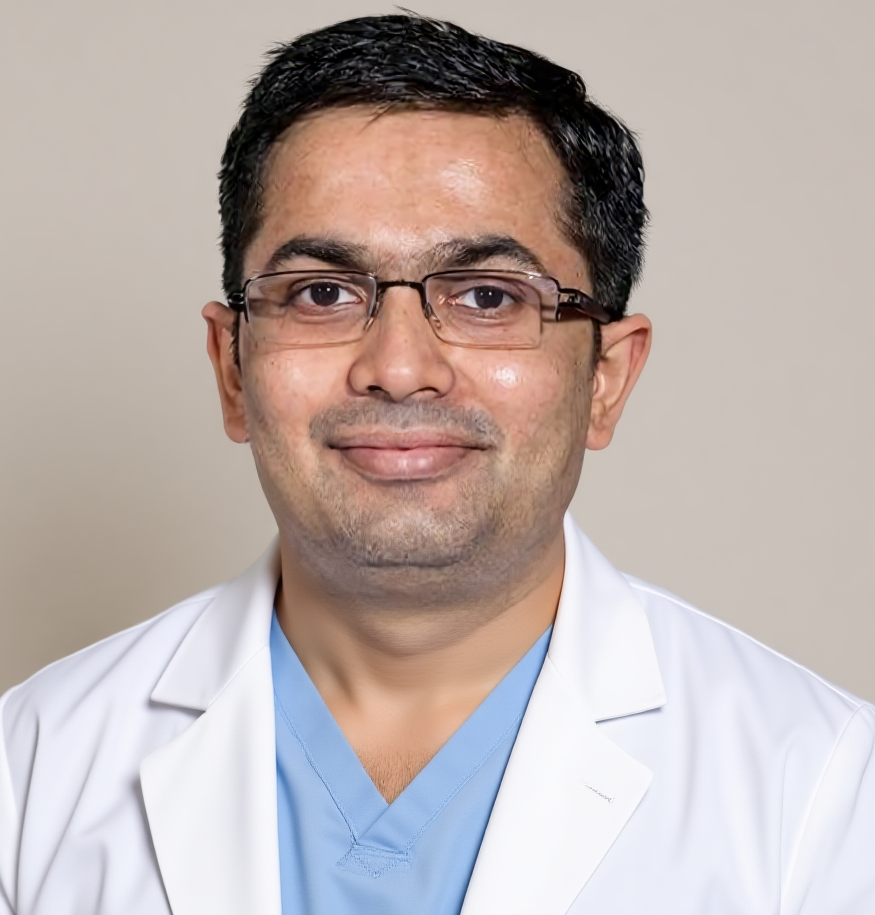
Dr Harsh Shah, perianal abscess surgeon, Ahmedabad
Dr Harsh Shah — MS, MCh (Surgical Gastroenterology), DrNB (Surgical Gastroenterology).

Dr Harsh Shah
MS, MCh (Surgical Gastroenterology), DrNB (Surgical Gastroenterology)
Registered with Gujarat Medical Council, Reg. No. G-38738
Gastro & Cancer Surgeon · Dr. Jivraj Mehta Hospital, Vasna, Ahmedabad

18 years of experience in surgery of the gut and the anal canal. He sees each patient himself, from the first visit to the last review.

An abscess is an urgent but simple problem when it is seen in time. Most people are worried about the pain and about what the examination will feel like, so the doctor explains each step before he does it and stops when you ask.

What a perianal abscess is

A perianal abscess is a collection of pus in the tissue next to the anus. It begins when a tiny gland inside the anal canal becomes infected.

How an abscess forms and spreads
StageWhat is happeningWhat you notice
1. A gland opening is blockedGerms multiply inside the small gland.A dull ache or a pressure feeling.
2. Pus collectsA pocket fills and presses on nearby tissue.A tender, warm lump that grows.
3. The pocket tightensThe pressure rises and the skin turns red and shiny.Throbbing pain, difficulty sitting, fever.
4. It bursts, or is drainedThe pus escapes through the skin.Sudden relief of pain and a discharge.

An abscess that bursts by itself does not always empty fully. A pocket that is only half drained tends to fill again.

Signs to look for

The classic picture is a painful lump that grows over a few days beside the anus, with pain that is worse on sitting and walking.

  • A tender lump next to the anus that feels hot and firm, then softens.
  • Constant throbbing pain that is not tied to passing stool.
  • Red, shiny skin over the swelling.
  • Fever, chills or feeling unwell as the infection builds.
  • Pus or blood-stained fluid if the lump has already burst.

An abscess higher up in the canal may show no lump at all. Fever with deep pelvic pain and difficulty passing urine need an examination without delay.

Abscess, fissure, piles or fistula?

Pain that throbs all day with a warm lump points to an abscess. Pain that comes with stool points to a fissure.

Telling anal problems apart
What you noticeMost likelyWhat it needs
Warm, throbbing lump, feverAbscessDrainage by a surgeon.
A boil that bursts and then keeps oozingFistulaExamination, often an MRI, then an operation.
Sharp pain with stool, a streak of bloodFissureStool care, ointment, sometimes a small operation.
Bleeding without pain, a soft lump that comes outPilesGrading, then diet, medicine or a procedure.

A clot in a pile can look like an abscess. The examination tells them apart in a minute. If the lump has been draining for months, read about anal fistula and how it is treated.

Why medicine alone does not clear it

Antibiotics reach pus poorly. A closed pocket of pus stays infected until it is opened and emptied.

  • Antibiotics may reduce the fever for a while, but the pocket remains.
  • Hot sitz baths ease the ache, yet do not empty the pus.
  • Squeezing the lump at home pushes the infection deeper into the tissue.
  • Waiting lets the abscess grow and spread, which makes the later drainage larger.

People with diabetes should come without delay. High sugar lets an abscess spread quickly.

What happens at the first visit

The doctor listens to the story, looks at the swelling and presses gently to judge how deep the pus lies. He then tells you what is needed that day.

  1. History. When it started, fever, diabetes, earlier abscesses and any bowel disease.
  2. A gentle look. Size, redness and softness of the lump tell whether it is ready to drain.
  3. A decision. Most abscesses are drained that day or the next, because the relief is quick.
  4. A scan if the lump is deep. An ultrasound or MRI shows a pocket that cannot be seen from outside.
  5. A plan in writing. What will be done, how long you stay, and when to return.

Nobody is made to bear a painful examination. If it is too sore, the doctor numbs the area or takes you straight to the operating room for a short anaesthetic.

The drainage operation

The surgeon makes a small cut over the swelling, empties the pus and leaves the wound open to heal from inside. It is a short operation.

  • Anaesthesia. Local for a small, shallow abscess; spinal or short general anaesthetic for a larger or deeper one.
  • The cut is placed on the skin over the abscess, away from the muscle that holds stool when possible.
  • The pocket is emptied and cleared, and pus may be sent for a test if needed.
  • The wound is left open with a light pack or dressing, so that it cannot seal over and fill again.
  • Most people go home the same day or the next morning.

Dr Harsh Shah does this operation himself. He uses no laser, and he tells you in advance if a deeper pocket needs a larger procedure.

Why the wound is left open

If the skin closes over the cut, pus collects again. An open wound heals from the base and keeps the cavity clean.

What an open wound does
Care stepPurpose
Leave the cut openLets any remaining pus drain out.
Light dressing or packKeeps the edges apart while the base heals first.
Sitz bathsClean the wound and soothe the area.
Soft stoolAvoids strain and pain on the wound.

The wound looks large at first and gradually fills in. This is expected and is not a sign of trouble.

Antibiotics and pain relief

Drainage is the treatment. Antibiotics are added only for a few people, and pain medicine is advised for the first days.

  • Antibiotics are given to people with diabetes, a weak immune system, spreading redness or fever.
  • Pain tablets are taken regularly for the first days, not only when the pain is bad.
  • A stool softener is added so that the first motion is gentle.
  • Do not stop the dressing routine because the pain has eased.

The risks, plainly

Every operation carries some risk. Those linked to abscess drainage are few, and they are explained in person before you consent.

  • The abscess can come back if a pocket was missed or the wound closed too early.
  • A fistula can follow, in some people. It shows as a wound that keeps oozing and needs a second plan.
  • Bleeding or a new collection at the wound, which is uncommon.
  • Slight leakage of gas or stool, which is rare for a shallow abscess and more likely for a deep one.

Healing: week by week

The wound heals from the base up over a few weeks. Sitz baths, dressings and soft stool matter most in this time.

A usual recovery after drainage
WhenWhat to expect
First two daysSoreness and discharge on the dressing. Rest and pain tablets.
Days three to tenPain falls quickly. Sitz baths two or three times a day. Light work resumes.
Weeks two to fourThe cavity shrinks and the discharge reduces.
Weeks four to sixThe wound closes. A review visit checks that nothing is left behind.

Call the clinic if pain climbs again, fever returns, the wound becomes red and hot, or bleeding is heavy.

Will a fistula follow?

After drainage, a small number of people are left with a thin tunnel between the canal and the skin. This is an anal fistula and it needs its own plan.

  • A wound that does not close after about six weeks may hide a tunnel.
  • Pus that keeps leaking from the scar after it has seemed to heal is another sign.
  • An MRI maps any tunnel before the next step is chosen.
  • The tunnel is dealt with by fistulotomy or a seton, depending on how much muscle it crosses.

This is why a review visit is kept even when you feel completely well.

Special situations

The plan changes a little with the person. Diabetes, a weak immune system and earlier surgery are common examples.

  • Diabetes. Sugar is controlled alongside drainage, and the wound is watched more closely.
  • Crohn’s disease. The abscess may belong to the bowel disease, so medical treatment and gentle surgery go together.
  • Repeated abscesses. A hidden fistula or another cause is looked for, and tests are advised.
  • Pregnancy. Drainage is still done when needed, with an anaesthetic chosen to be safe for the baby.

When not to assume it is a simple abscess

A lump near the anus is not always a simple abscess. A few signs call for a wider check, not only drainage.

  • Bleeding from the rectum with a recent change in bowel habit.
  • Weight loss, tiredness or a hard lump that does not feel hot.
  • Diarrhoea with belly pain, which may point to bowel disease.
  • A swelling that returns again and again at the same place.

A colonoscopy or other tests may then be advised. This is routine care and not a cause for alarm.

Questions to ask any surgeon

  1. Is my abscess shallow or deep, and how do you know?
  2. Can it be drained today?
  3. What are the chances of a fistula afterwards?
  4. Will I need a scan, and why?
  5. When should I return for review?

From the first call to a closed wound

  1. First consultation. A look at the swelling and a clear decision.
  2. Drainage. A short operation to empty the pocket, usually as a day case.
  3. Home care. Sitz baths, dressings and soft stool.
  4. Review. A check at the end of the first week and again as the wound fills in.
  5. Final check. A scan if a tunnel is suspected, and a plan if one is found.

Cost, insurance and admission

The cost depends on the room, the anaesthetic and whether a scan is needed. An estimate is given in writing before admission.

Many insurance plans cover day-care anal surgery, and the hospital desk helps with the paperwork. Bring your earlier prescriptions and reports. For questions before you come, call +91-63555-64601.

Cashless at Dr. Jivraj Mehta Hospital

Perianal abscess drainage is on Dr. Jivraj Mehta Hospital’s PPN package list, so it is cashless if your policy is with one of the four public-sector insurers: New India Assurance, Oriental Insurance, United India Insurance or National Insurance (GIPSA PPN). The hospital’s TPA desk handles the pre-authorisation. Bring your policy card, photo ID and reports. If you are insured elsewhere, insurance is still accepted and the desk applies for cashless approval under your policy.

Frequently asked questions

What is a perianal abscess?

It is a pocket of pus in the tissue beside the anus, usually from an infected gland inside the anal canal. It causes a hot, throbbing lump.

Can an abscess go away with antibiotics alone?

Rarely. Antibiotics reach trapped pus poorly, so the pocket usually needs to be opened and emptied by a surgeon.

Is the drainage operation painful?

It is done under anaesthesia, so you do not feel the cut. Most people feel relief soon after, because the pressure of the pus is gone.

Do I have to stay in hospital?

Most people go home the same day or the next morning. A deep or large abscess, or diabetes, may need a longer stay.

Will the abscess come back?

It can, if a pocket was missed or a tunnel is left behind. A review visit and, if needed, a scan lower that chance.

What if the wound keeps oozing after six weeks?

A wound that does not close may hide a thin tunnel, which is a fistula. An MRI maps it and a second plan is made.

When should I worry that it is something else?

See a doctor soon for rectal bleeding with a change in bowel habit, weight loss, diarrhoea with belly pain, or a swelling that keeps returning.

Is abscess drainage cashless at Dr. Jivraj Mehta Hospital?

Yes, for policyholders of New India Assurance, Oriental Insurance, United India Insurance and National Insurance, because it is a PPN package operation. The hospital's TPA desk handles pre-authorisation. With other insurers, the desk applies for cashless approval under your policy.

Where Dr Harsh Shah sees and operates

Dr Harsh Shah — Dr. Jivraj Mehta Hospital, Vasna, Ahmedabad
Dr. Jivraj Mehta Hospital, Dr Jivraj Mehta Marg, Vasna, Ahmedabad 380007.
Consultations, review of reports and scans, operations and follow-up. OPD Monday to Saturday, 9 am to 5 pm.
Appointments: +91-63555-64601 · +91-63590-11009 · Hospital 079-2663 6363
Directions to the hospital · WhatsApp +91-63555-64601

Swelling near the anus that is getting more painful? Call before it bursts on its own. A pocket of pus seen early can be drained the same day, and the recovery is shorter. Call +91-63555-64601 · Message on WhatsApp

Tapping Book on WhatsApp will likely open the WhatsApp app on your phone.

Get health updates from Dr Harsh Shah on WhatsApp

Swasth Parivar: every week, practical advice on recovery, diet and warning signs. No advertising. Stop any time.

Your number is used for these updates and for the clinic to reach you. It is never sold or passed on. To stop, reply STOP on WhatsApp.

Dr Harsh Shah, Gastro, Cancer & Laparoscopic Surgeon, Ahmedabad
Privacy Overview

This website uses cookies so that we can provide you with the best user experience possible. Cookie information is stored in your browser and performs functions such as recognising you when you return to our website and helping our team to understand which sections of the website you find most interesting and useful.