

WhatsApp

Stomach Cancer Surgery: What the Journey Looks Like

Last updated: 04-Nov-2026

Tapping Book on WhatsApp will likely open the WhatsApp app on your phone.

Planning an operation for stomach cancer and unsure what comes next? Message Dr Harsh Shah’s team on WhatsApp. · Call +91-63555-64601
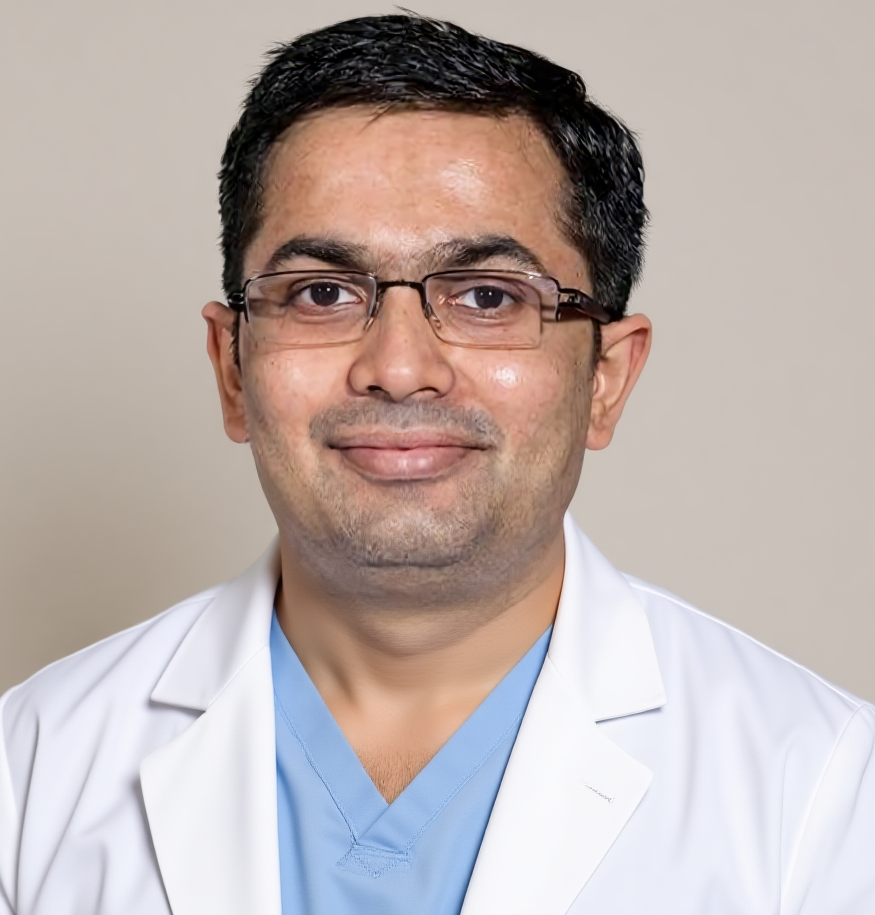
Portrait of Dr Harsh Shah, gastro and cancer surgeon, Ahmedabad

Dr Harsh Shah
MS, MCh (Surgical Gastroenterology), DrNB (Surgical Gastroenterology)
Registered with Gujarat Medical Council, Reg. No. G-38738
Gastro & Cancer Surgeon · Dr. Jivraj Mehta Hospital, Vasna, Ahmedabad

18 years of experience in operating on the stomach, food pipe, liver, pancreas and bowel. He was trained at Maulana Azad Medical College and GB Pant Hospital in Delhi.

In short

An operation for stomach cancer is a path with clear stops: tests and preparation, the operation, a hospital stay, learning to eat again, and regular check-ups. Knowing the stops makes each one less frightening.

Most of the work before the operation is about getting you strong enough. Most of the work after is about food, walking and watching for problems early.

The full approach to this cancer is on the gastric cancer surgery with Dr Harsh Shah page. This page walks you through what the weeks around the operation feel like.

Step one: getting ready

The weeks before surgery decide how smoothly the recovery goes. Your body is prepared as carefully as the operation is planned.

What is done before the operation and why
StepWhy it matters
Scans, scope and blood testsConfirm the stage and check that your heart, lungs, kidneys and blood are fit for surgery.
Keyhole look in the belly, when neededSettles the stage when scans leave doubt, so the plan is not changed in the operation theatre.
Medicine before surgery, when advisedShrinks the growth and treats cells that may have travelled. It is given in planned cycles.
Food and strengthProtein-rich food and supplements, short walks and breathing exercises help you heal faster.
Stopping tobacco and alcoholLowers the chance of chest and wound problems after the operation.

If you are still deciding who should operate, see how to choose a stomach cancer surgeon.

Step two: the day of the operation

You will be asleep for the whole operation. The family waits outside and is told when it is over.

The surgeon removes the part of the stomach that holds the cancer, or the whole stomach when the growth needs it. The nearby lymph glands are cleared, because that is where stomach cancer spreads first. The food channel is then rebuilt by joining the gut to what is left of the stomach, or to the food pipe.

Depending on the case, this is done by keyhole or by the open route. The choice rests on the stage, the site of the growth and your general health, not on what sounds modern. To see how that choice is made, read how surgery is decided in gastric cancer.

Step three: the hospital stay

Expect a few days of slow, supervised steps. Fluids come first, walking comes early and food returns in stages.

  • You wake in the recovery area or intensive care, with a drip, oxygen and usually a drain tube near the wound.
  • Pain medicine is given on a schedule so that you can breathe deeply and move.
  • You are helped out of bed early. Walking prevents clots and chest infection.
  • A thin feeding tube is sometimes placed past the join, so food can start early without stressing it.
  • Sips of water, then liquids, then soft food are added as the team is satisfied that the join is healing.
  • The drain and tubes come out one by one when they are no longer needed.

The pathology report on the removed stomach usually comes after the first week. It gives the final stage and tells the team whether more medicine is advised.

Step four: learning to eat again

With a smaller or absent stomach, you eat small and often. This is a skill you learn over weeks, and it gets easier.

  • Take five or six small meals instead of three large ones.
  • Eat slowly and chew well. Stop at the first feeling of fullness.
  • Keep fluids between meals rather than with them.
  • Choose protein at every meal: eggs, dal, curd, paneer, fish or chicken if you eat them.
  • Report dizziness, sweating or cramps soon after eating. These can be eased with changes to meals.

After a total gastrectomy, vitamin B12 is needed by injection for life, and the team will also check iron and calcium. These are routine and easy to manage.

Step five: going home and follow-up

Going home is a milestone, not the end. Regular visits catch problems while they are small.

  • Keep the wound clean and dry, and avoid heavy lifting until the surgeon says it is safe.
  • Return at once for fever, repeated vomiting, a wound that opens or leaks, or severe belly pain.
  • Expect scheduled visits with examination, blood tests and, at intervals, scans or a scope.
  • Chemotherapy, when advised, usually begins once you have recovered enough, and the team will plan the timing with you.

Questions are easier to ask with a list in hand. Use questions to ask your stomach cancer surgeon before you are admitted.

Dr Harsh Shah sees patients at Dr. Jivraj Mehta Hospital, Vasna, Ahmedabad. Bring your reports and he will go through the plan with you, one stop at a time.

Frequently asked questions

How long will I stay in hospital?

It depends on the operation and on how you recover. Your surgeon will give an expected stay before the operation and update it as you progress.

Will I be able to eat normally again?

Most people return to a wide range of foods, in smaller portions. Meals are small and frequent, and the pattern settles over weeks to months.

When can I go back to work?

Desk work often resumes after a few weeks, and heavy work later. Chemotherapy, if advised, may change the timing, so decide this with your surgeon.

Is a feeding tube always needed?

No. It is used in some cases to start nutrition early. Your surgeon will tell you beforehand if one is planned.

What will the operation cost?

It varies with the hospital room, the type of operation and the length of stay. Read cost and insurance in stomach cancer treatment for what to ask the billing desk.

Where to see Dr Harsh Shah

Dr Harsh Shah — Dr. Jivraj Mehta Hospital, Vasna, Ahmedabad
Dr. Jivraj Mehta Hospital, Dr Jivraj Mehta Marg, Vasna, Ahmedabad 380007.
Consultations, review of reports and scans, operations and follow-up. OPD Monday to Saturday, 9 am to 5 pm.
Appointments: +91-63555-64601 · +91-63590-11009 · Hospital 079-2663 6363
Directions to the hospital · WhatsApp +91-63555-64601

Back to the main guide: Gastric cancer surgery with Dr Harsh Shah.

Tapping Book on WhatsApp will likely open the WhatsApp app on your phone.

Get health updates from Dr Harsh Shah on WhatsApp

Swasth Parivar: every week, practical advice on recovery, diet and warning signs. No advertising. Stop any time.

Your number is used for these updates and for the clinic to reach you. It is never sold or passed on. To stop, reply STOP on WhatsApp.

Dr Harsh Shah, Gastro, Cancer & Laparoscopic Surgeon, Ahmedabad
Privacy Overview

This website uses cookies so that we can provide you with the best user experience possible. Cookie information is stored in your browser and performs functions such as recognising you when you return to our website and helping our team to understand which sections of the website you find most interesting and useful.